
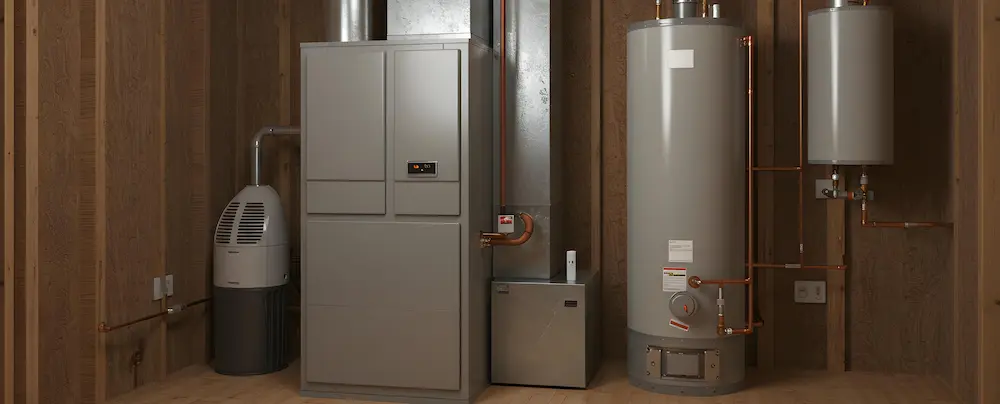
Top 5 Things You Should Do to Upkeep Your Furnace
The temperature is dropping, and the leaves are changing. With the winter months approaching, you’ll be spending a lot more time indoors, which means your furnace is quickly becoming the heart of your home. That being said, a properly maintained heating system is important. It keeps you warm, your energy bills low, your indoor air cleaner, and your family safe.
Before the cold really sets in, it’s important to make sure your system is ready for the months ahead. Keep these furnace upkeep tasks in mind before winter is upon us.
Replace Your Air Filter
Dirty, clogged filters make it much more difficult for
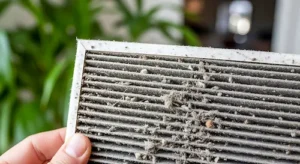
airflow to get through smoothly. This makes your furnace work harder and less efficiently, which, over time, leads to higher energy bills and unnecessary wear on your equipment (which can also lead to costly repairs down the line). Indoor air quality is significantly reduced as well, leading to dust, pollen, and other particles circulating through your home and in your lungs.
The Department of Energy recommends changing your HVAC filter once a month to every 3 months, stating that a clean filter can improve efficiency up to 15%. The exact replacement rate depends on a number of factors, including the type of HVAC system you use, the type and size of the filters, your household needs, and more. Consult a professional if you’re unsure about what type of filter your system needs.
Thermoset Calibration
Your thermostat is the command center of your 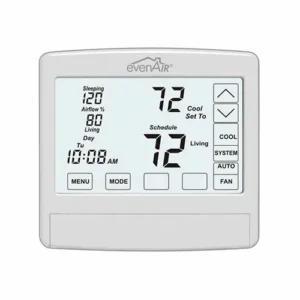 heating system. Properly calibrating your furnace can prevent it from running longer than needed or underperforming, leading to uneven heating and wasted energy.
We recommend testing your thermostat by comparing the set temperature to the actual room temperature. If there’s a discrepancy, recalibration may be necessary. Recalibrate immediately if there’s a discrepancy.
By properly calibrating your thermostat, you’ll stay comfortable during the winter months while saving money on utility bills.
Burner & Heat Exchanger Inspection
The burner and heat exchanger are critical components of your furnace, necessitating inspection as frequently as your HVAC’s filters. Like your filters, dust, soot, and/or corrosion can reduce their performance. Not only does this harm your system’s performance, but it can also even create safety hazards.
A cracked heat exchanger can lead to a carbon monoxide leak.  Carbon monoxide is a colorless, odorless gas that is extremely dangerous to humans and pets. It can build up in tight spaces, especially during the winter months while you’re spending more time indoors. Extended exposure can lead to serious tissue damage or even death.
Have a professional HVAC technician inspect these components annually to ensure they’re clean, intact, not cracked, and properly functioning. Keeping a professional eye on your system can help prevent breakdowns, improve efficiency, and reduce health risks associated with carbon monoxide leaks.
As a side note, make sure your carbon monoxide detector has fresh batteries. Change the batteries as frequently as your smoke detector.
For improved combustion efficiency, a combustion damper can optimize draft control for safe, reliable burner operation.
For improved combustion efficiency, a combustion damper can optimize draft control for safe, reliable burner operation.
Blower & Motor Check
The blower and motor are responsible for circulating warm 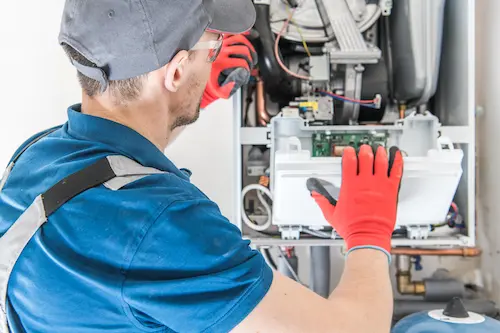 air throughout your home. Dust, worn belts, or electrical issues can cause them to underperform or fail. This leaves you plagued with poor airflow and inconsistent heating.
Check for unusual noises, vibrations, or weak airflow at the vents. Regular lubrication and belt inspections can prevent costly repairs. A well-maintained blower can help keep your furnace running efficiently and ensures warm air reaches every room in your home. Replace combustion blowers when needed to ensure your HVAC system operates at peak performance all through the winter.
Safety Controls & Carbon Monoxide Detection
Safety should always come first. Furnaces are equipped with controls that shut down the system in case of overheating or other dangerous conditions. Common safety switches include the limit switch, which monitors the heat exchanger to prevent overheating, and the rollout switch, which prevents the burners flames from ever 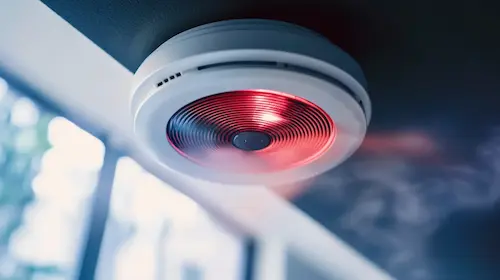 expanding beyond the burner. Familiarize yourself with the location of these switches on your furnace.
As mentioned before, carbon monoxide detectors are essential to protect you and your family from leaks caused by cracked heat exchangers and poor ventilation. Test your detector monthly and replace batteries at least once a year. Replace the whole detector every 5-7 years to be safe.
These simple checks are designed to save lives by alerting you to hidden furnace issues before they become emergencies. This whole check list is one of the simplest yet most effective ways to keep your home safe, comfortable, and efficiently warmed all season long.