
Things You Should Do Around the House Before Fall Hits
Summer’s coming to a close, and cooler temperatures are rolling in. The change of seasons always brings the usual challenges, like dealing with longer nights, falling temperatures, and spending more time indoors to escape the cold. It’s time for homeowners to think about how to prepare their homes for the upcoming fall and winter months. That means making them more comfortable, energy-efficient, and healthy.
Putting proper preparation into your home before fall really hits not only saves money on energy bills but also keeps your indoor air healthier and more breathable with your HVAC system running smoothly.
1. Add Extra Insulation in the Attic
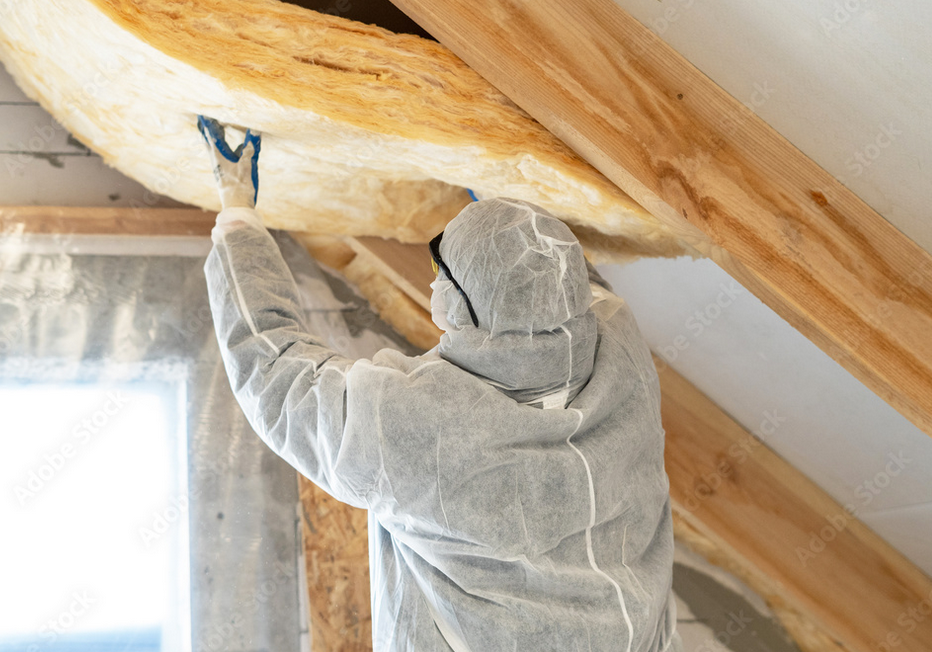
Your attic plays a critical role in how efficiently your home retains heat in cooler months. Without adequate insulation, warm air escapes through the roof, forcing your heating system to work harder, which ends up costing a lot of energy.
- Why it matters: The U.S. Department of Energy estimates that homeowners can save up to 20% on heating and cooling costs or even up to 10% on total energy costs by improving insulation and sealing air leaks.
- Signs you need more insulation: If you notice that your attic floor joists are visible, or if the rooms on your top floor are consistently colder in winter, your insulation may be insufficient.
- Best practice: Add fiberglass batts for bulk coverings, loose fill for conformity, spray foam for getting into the smaller cracks, or blown-in cellulose insulation to bring your attic up to recommended R-values for your region.
- The benefits: Adding more insulation improves overall comfort with fewer drafts and cold spots, extends the life of your HVAC systems by reducing strain, and eventually increases your home’s resale value with better energy efficiency.
Check with your local supplier or contractor to see if proper insulation is required. By bolstering your attic insulation, you help your HVAC system maintain steady indoor temperatures, reduce drafts, and extend the life of your furnace or heat pump.
2. Seal Windows and Doors with Weather Strips
Drafty windows and doors are another common source of energy loss. Those small gaps between the door/window and the frame let cold air seep through, making your HVAC system struggle to replace the warm air.
- Install weather stripping: There are multiple stripping options, like foam, rubber, or vinyl weather strips, that can be applied around windows and door frames to block air leaks.
- Use caulk for cracks: Gaps between window frames and walls should be sealed with caulk to prevent further air leakage. If the cracks are too deep or if the windows are too old, consider a more effective repair.
- Bonus tip: Consider installing storm windows for extra protection in colder climates. A strong, permanent solution could save a lot of money and energy in the long run.
- The benefits: Sealing these cracks can often cut your heating bill by 10-20%. Not only does it eliminate drafts, but it also blocks dust, pollen, and other outdoor pollutants from sneaking in.
By tightening your home’s envelope, you create a more energy-efficient space while making it easier for your HVAC system to filter and circulate clean air.
3. Insulate Pipes Before Temperatures Drop
Frozen pipes are any homeowner’s nightmare. Before fall turns to winter, take steps to insulate your plumbing to avoid burst pipes and costly repairs.
- Focus areas: Check in less common areas for pipes. Pipes in unheated spaces, such as garages, crawl spaces, basements, and attics, are the most vulnerable during cold snaps.
- Insulation options: Foam pipe sleeves and fiberglass wraps are affordable and easy to install. Check your local hardware store or home center for some rolls.
- Added benefits: Insulated hot water pipes also reduce heat loss, allowing water to reach faucets hotter and faster, cutting down on wasted energy. Additionally, it reduces humidity and moisture buildup that can negatively impact air quality and promote mold growth.
This proactive step protects your home while also complementing your HVAC system by reducing humidity and potential water damage that can impact indoor air quality.
4. Upgrade and Replace HVAC Filters
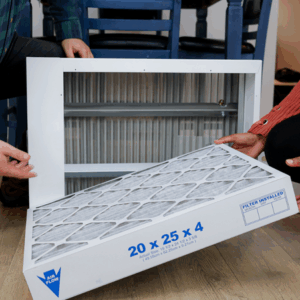
One of the simplest yet most important things you can do before fall is replace your HVAC filters. Your system worked hard over the past spring and summer months, and it’s about to work a lot harder in the cooler months. Filters inevitably get used up, getting clogged and old, which reduces airflow, strains your equipment, and allows dust and allergens to circulate indoors.
- Why it matters in fall: When people spend more time indoors, contaminants like dust, pollen, and pet dander have nowhere else to go, so they build up quickly. A clean filter ensures your system captures more particles, protecting the air quality inside your house.
- How often to replace: The replacement frequency often depends on usage and household conditions. If the unit is continuously running, then standard filters should be replaced every 1–3 months. Thicker filters can usually go for a bit longer than thinner filters.
- Field Controls solution: Our HVAC and air purifier filters are designed to trap up to 99% of particles as small as 1 micron, effectively reducing allergens and improving indoor air quality to help you get through the fall and winter.
Fresh filters don’t just protect the efficiency and reliability of your HVAC unit; they also protect your family’s health by improving air quality and reducing allergy triggers, directly contributing to a healthier home environment.
5. Install Ultraviolet (UV) Technology for Cleaner Air
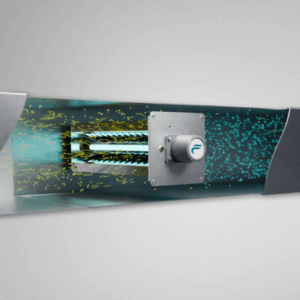
There are a lot of events happening in the fall. With the school season beginning and families gathering more for the holidays, homes are becoming the central hub of indoor activities. They’re also becoming the prime breeding ground for germs and infections to spread. Ultraviolet technology is the key to defending your home from these tiny invaders, as it’s been proven to neutralize airborne bacteria, viruses, and mold spores.
- How UV works: Ultraviolet light disrupts the DNA or RNA of microorganisms, rendering them harmless and preventing them from multiplying. It essentially creates a shield of invisible light that improves the air quality of your home.
- Benefits in fall: With windows closed and air recirculating, UV systems work with the HVAC system to provide an added layer of protection. UV helps keep the air moving through the HVAC system cleaner and healthier, providing a level of control over odors and preventing mold growth inside the equipment.
- Field Controls UV solutions: Our UV air purifiers integrate directly into HVAC systems to continuously disinfect air as it passes through, reducing germs, mold, and odors. They make a real, noticeable difference by creating a safer and more pleasant environment.
When combined with high-quality filters, UV technology provides a powerful two-step defense: filters capture particles, and UV neutralizes biological contaminants. This combination is especially valuable as families spend more time together indoors during colder months.
6. Additional Quick Fall Prep Tips
Beyond insulating attics, filling in cracks, protecting pipes, replacing filters, and utilizing the power of UV, here are a few extra steps to consider when preparing for fall:
- Clean gutters: As unpleasant as it is, cleaning those gutters can help in the long run. It’ll help prevent clogs and water damage when fall rains and falling leaves arrive.
- Check your thermostat: Upgrade to a programmable or smart thermostat to optimize heating schedules and save energy. It’s a good investment for long-term savings down the line.
- Test your carbon monoxide detectors: As furnaces run more often, carbon monoxide risks increase. Ensure detectors are working and have fresh batteries. Check your smoke detectors while you’re at it too.
- Schedule a professional HVAC inspection: Annual maintenance ensures your heating system is safe, efficient, and ready for heavy use. Getting a professional assessment can give you a head start on any trouble that might pop up.
Why Fall Preparation Matters for Indoor Air Quality
Saving on cost and energy is important, but having improved air quality within your household, especially during the winter months, is essential. By sealing up your attics, windows, and doors tight against the cold, you’re also sealing up the air inside your home. That’s why replacing old filters and taking advantage of advanced UV technology is key to creating a comfortable and safe home environment.
Preparing your home for fall doesn’t have to be overwhelming. The first step should be a walk around your home and checking where improvements can be made. Are your attic joists exposed? Are your pipes insulated? Are there any cracks between your windows and their frames? How’s your HVAC looking?
Then, move on with these practical steps: add attic insulation, seal windows and doors, insulate pipes, replace HVAC filters, and consider upgrading your system with ultraviolet technology. Together, these improvements protect your home from the elements, save money on energy bills, and safeguard your family’s health during the season when indoor air quality matters most.