
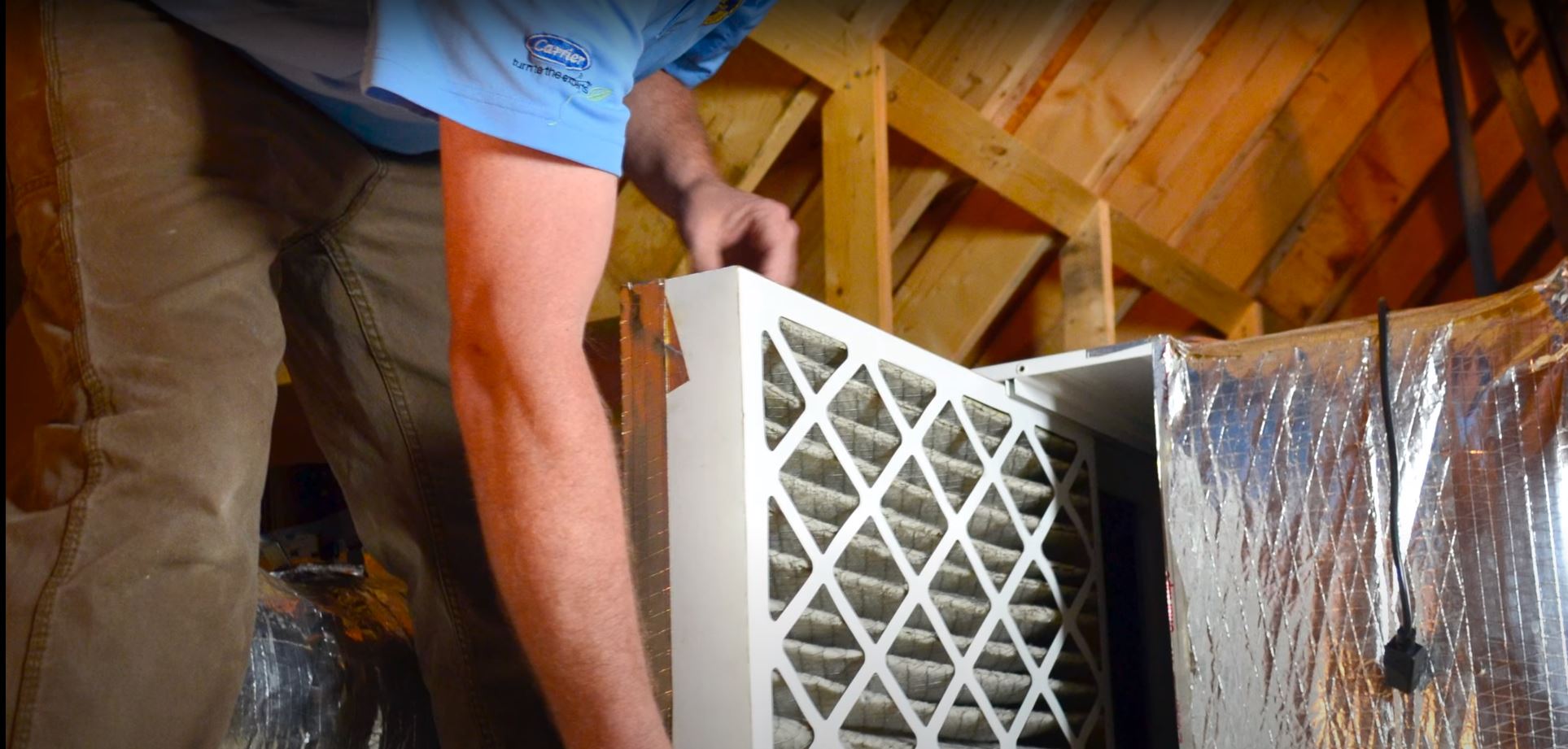
Final Filter Check Before the Cold Hits!
It’s that time of year again. Time to put our furnaces to work. As the season gets colder, homeowners across the country are firing up their furnaces for the first time in months. Before the cold fully takes hold, there’s an often-overlooked piece of equipment that needs your attention. It’s a simple but critical step to add to your fall furnace tune-up: check your HVAC filter and, if necessary, replace it!
You need a fresh, properly sized filter. It’s an essential component when it comes to protecting your system, improving energy efficiency, and keeping your family safe. Here’s why a final HVAC filter check before the heating season begins is so important.
The Right Filter for the Right Fit
Every HVAC system requires a filter that fits correctly. If the filter doesn’t fit right, then unfiltered air with dust, pollen, and other contaminants bypasses the entire system. This leads to poor air quality impacting your household air while also putting extra strain on the equipment.
When selecting your filter, keep the following in mind:
- Verify size: Double-check the dimensions of your current filter to ensure the replacement matches exactly. Even a small gap can compromise performance.
- Check the rating: Filters are rated by their efficiency in capturing particles. The higher the rating, the more effective it is at trapping fine dust, allergens, and smoke particles.
- Know your needs: Determine what particles you want to capture. Households with pets, allergies, or higher air quality concerns may benefit from higher-efficiency options like HEPA technology.
If you’re unsure of the size, rating, or type of filter that your HVAC system needs, consult a professional. It’s best to be absolutely sure that you have the right fit for your system.
Dirty Filters Lead to Higher Energy Bills
If the filter is clogged, the HVAC system needs to work harder to fight against the clog and pull air through. This means the system is running longer, which generates higher energy usage, which ultimately leads to increased utility bills.
According to the U.S. Department of Energy, heating your home takes more energy and costs more energy, typically making up about 29% of the utility bill, and replacing a dirty filter can lower your system’s energy consumption by up to 15%. The department recommends cleaning or furnace filter replacement once a month.
Protecting Your HVAC System
Not changing your filter doesn’t just waste energy and money, it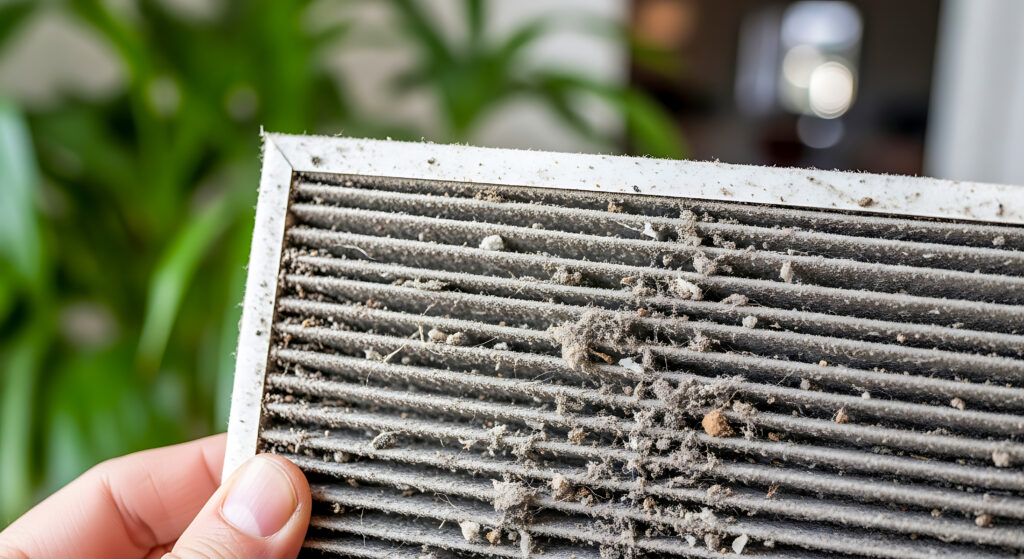 can lead to damaging your entire HVAC system, which can end up being an even more costly investment. Restricted airflow puts stress on the components, including the blower motor and heat exchanger. The trapped heat can cause the components to overheat and eventually crack over time.
A cracked component is a costly repair in its own right, but it can lead to something much worse: a carbon monoxide leak in your home. Carbon monoxide poisoning cases often escalate during winter months, commonly caused by unchecked furnaces with clogged HVAC furnace filters. As a side note, make sure that your carbon monoxide detector has fresh batteries for the winter.
With a clogged filter, warm air is restricted and can’t move freely through the furnace. Heating your house won’t be as effective, leading to a colder winter season to endure. Although it is not required to get the best HVAC filters, replacing your filter regularly ensures smooth airflow, reduces wear and tear on your system, and protects your family from unnecessary risks.
Indoor Air Quality: The Hidden Benefit
Beyond system performance and household safety, a clean filter has a direct impact on your home’s indoor air quality. Dirty filters allow pollutants like dust, pollen, dander, and even mold spores to circulate freely, floating in the air and directly into your lungs. A fresh filter, along with regular HVAC maintenance, keeps the air you breathe cleaner and healthier all winter long.
Families spending more time indoors during colder months especially benefit from this step, since poor indoor air quality can worsen allergies, asthma, and respiratory conditions.
How Often Should You Replace Your Filter?
The right schedule depends on your system, how often it’s used, environment, personal health concerns, filter type, and household needs. As a general rule:
- Standard filters: Replace every 1–3 months.
- HEPA filters or high-efficiency filters: Check monthly and replace according to manufacturer guidelines.
- Homes with pets, smokers, or allergies: Replace more frequently for optimal air quality.
Ultimately, the best practice is to check your filter at the start of every new season, especially before the heating system kicks on for the year. Start the season on a fresh note.
A Simple Step With Big Rewards
A final filter check before the cold hits is a great safeguard for your home, your HVAC system, and your family’s health. By making sure your filter is the right fit, replacing dirty HVAC filters, and staying consistent with upkeep, you’ll enjoy a copious number of benefits for your household.
While cooped up indoors for over three months, you’ll want to at least make the confinement as comfortable as you can. That means protecting the quality of air within your own home. Having fresher indoor air all season long can help stave off the seasonal depression while you enjoy the feeling of a warm room that’s blocking out the winter cold.
Allowing your central heating to operate uninhibited not only protects and extends the quality of the HVAC system, but it also lowers your energy bill by a significant amount. This is especially useful during one of the financially busiest times of the year for consumers.
Above all else, knowing that your furnace is running safely, your family is keeping warm, and your bills aren’t increasing brings a peace of mind that can keep you going during the long, dark months.
Before you bundle up this season, give your furnace the care it needs with a fresh filter. It’s a small step that delivers big benefits all winter.