
Air Treatment Technology
THE AVERAGE PERSON SPENDS 90% OF THEIR LIFE INDOORS

Indoor spaces are more than just walls and ceilings. They are where people live, work, and interact every day. Whether it’s a home, office, or healthcare facility, each building functions as a complete system. When one part of that system is compromised, it can affect the entire indoor environment.
Issues like poor ventilation, humidity imbalance, or airborne pollutants may start small but can quickly impact comfort, health, and equipment performance. Taking a comprehensive approach to air treatment helps prevent these problems before they spread. By combining ventilation, air purification technologies, humidity control, and filtration, you can maintain fresher, more efficient indoor spaces that support the well-being of everyone inside.
OUR AIR TREATMENT TECHNOLOGY:
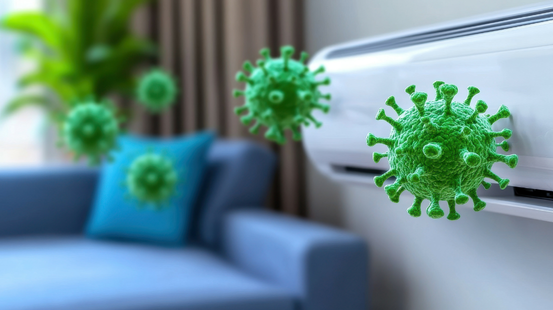
FIELD CONTROLS ADDRESSES ALL TYPES OF INDOOR AIR POLLUTANTS
Indoor air pollution is generally classified into three primary categories: particles, gaseous pollutants, and germs. Together, these represent the full spectrum of airborne threats that can impact your home and living spaces.
- Particles – include visible and invisible solid particles like dust, pollen, pet dander, and smoke.
- Germs – such as mold spores, bacteria, and viruses pose significant health risks, especially in sealed, moisture-prone spaces.
- Gaseous Pollutants – including volatile organic compounds (VOCs) and odors, are often released from household products, building materials, and combustion sources.
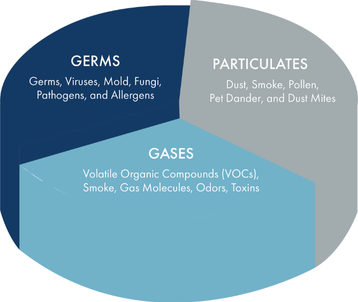
3 Indoor Air Pollutants
WHY CHOOSE FIELD CONTROLS FOR INDOOR AIR TREATMENT?




Air Treatment Learning Library
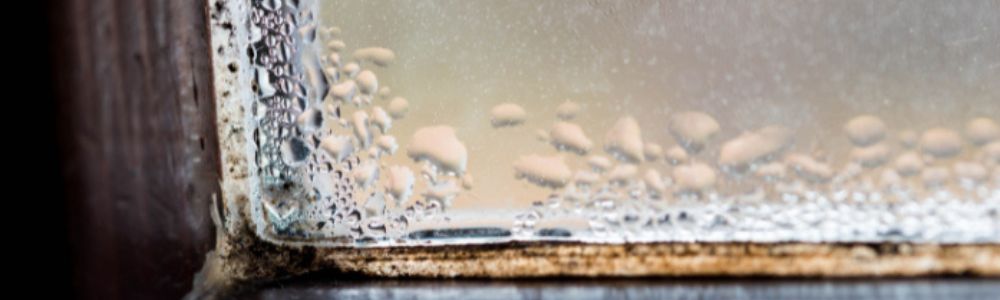
Learn how whole-home humidity control helps modern homes manage excess moisture, dry air, comfort, and changing seasonal conditions.
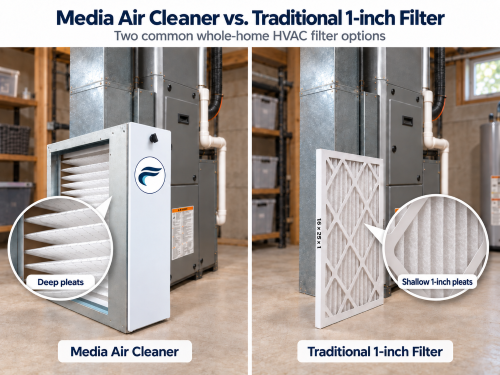
What is the difference between a whole-house media air cleaner and a traditional 1-inch furnace filter? Compare filtration capacity, particle capture, airflow, filter life, air bypass, and HVAC protection to determine which option is right for your home.

Summer heat, humidity, allergens, wildfire smoke, and longer HVAC runtimes can all contribute to poor indoor air quality. Learn why cooling season is an important time to improve filtration, air purification, and overall IAQ throughout your home.
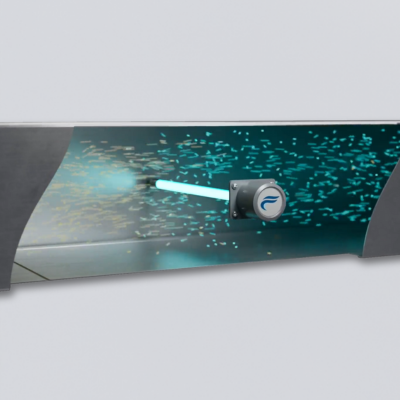
UV air purifiers use germicidal UV-C technology to help reduce airborne viruses, bacteria, and mold spores as air moves through HVAC systems. Learn how UV purification supports cleaner indoor air as part of a layered indoor air quality strategy.
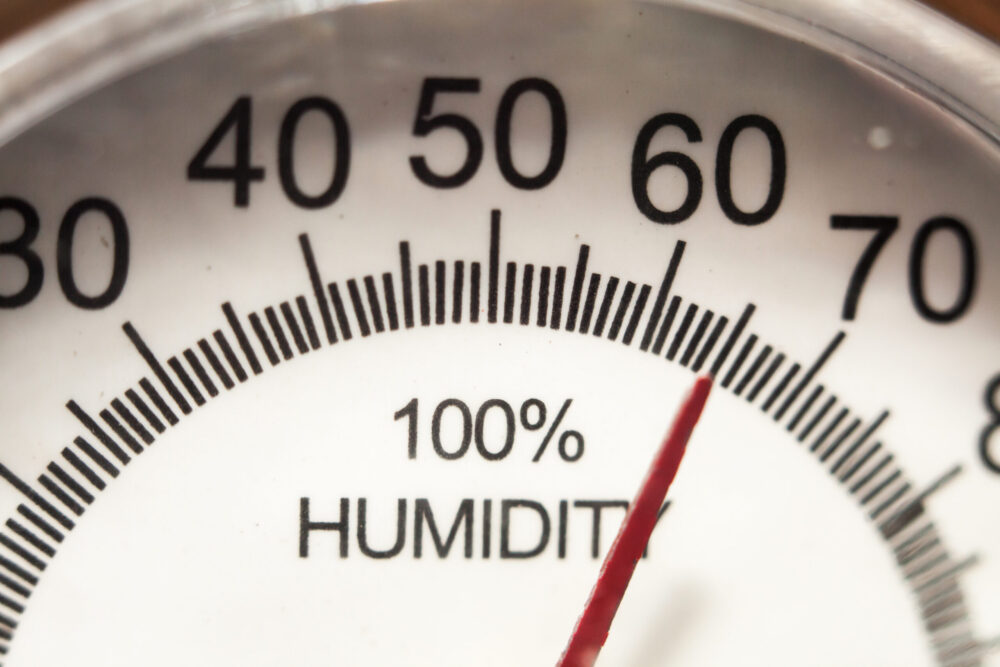
Indoor humidity plays a major role in comfort, air quality, and home protection. Learn the ideal humidity range, the risks of imbalance, and how whole-house dehumidifiers help maintain consistent conditions year-round.