
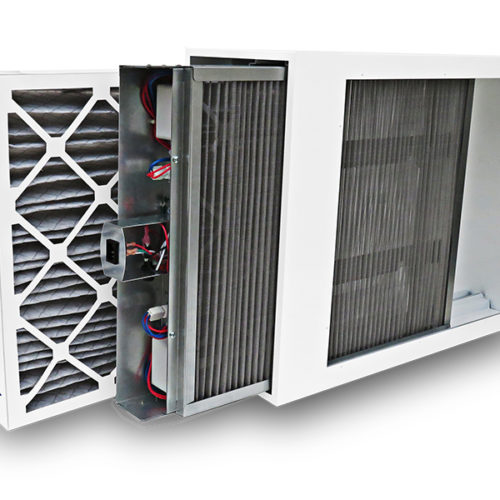
Why MERV 13 + UV + PCO is a Powerful Three-Layer Defense for Cleaner Indoor Air
The state of your household air isn’t usually consciously on homeowners’ minds, but as modern homes become more tightly sealed, the quality of your indoor air is becoming a growing concern. While many people rely on a single solution, like a standard HVAC filter or a standalone purifier, the reality is that no single technology can address all types of airborne contaminants.
Dust, allergens, bacteria, viruses, odors, volatile organic compounds—each of these contaminants behave differently in the air. That’s why a layered approach to air cleaning is the most effective strategy.
By combining MERV 13 filtration, UV technology, and PCO, homeowners can create a comprehensive three-layer whole home air purification defense system that targets a wider range of indoor air pollutants, protecting your home’s air quality from all angles.
Understanding the Need for Layered Air Protection
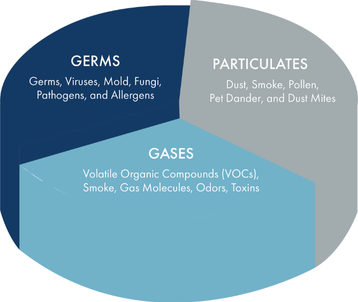
As previously mentioned, indoor air almost always contains a complex mix of contaminants, like dust, pollen, dander, mold spores, bacteria, odors, gases, etc.
Traditional HVAC filters are designed primarily to capture particles, but they don’t neutralize microorganisms or break down gases and odors. Similarly, UV systems can neutralize biological contaminants but don’t physically remove particles from the air.
Each technology targets a different part of the problem. When combined, they provide a more complete and effective air cleaning solution.
Layer 1: MERV 13 Filtration – Capturing Airborne Particles
MERV (Minimum Efficiency Reporting Value) ratings measure how effectively an air filter captures particles of different sizes. Designed to capture particles as small as 0.3 microns, a MERV 13 filter represents a significant upgrade from standard residential filters.
What MERV 13 Filters Capture:
- Fine dust and airborne particles
- Pollen and allergens
- Mold spores
- Smoke particles
- Some bacteria and virus-sized particles attached to droplets
This level of filtration is often recommended for improving indoor air quality without excessively restricting airflow when properly installed. By capturing particles before they circulate through your home, MERV 13 filters reduce airborne irritants and improve HVAC system cleanliness, while protecting equipment from dust buildup.
However, filtration alone can’t eliminate microorganisms or gases, which is where we bring in an additional layer into play.
Layer 2: UV Technology – Neutralizing Microorganisms 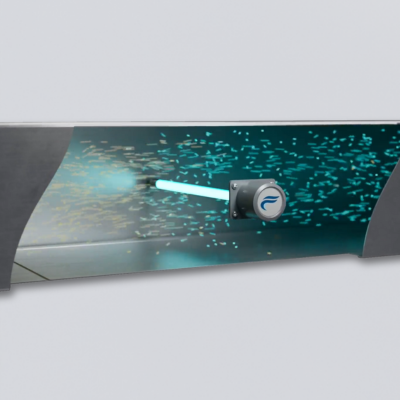
UV-C (Ultraviolet) technology is widely used in hospitals and laboratories for disinfection. When applied in HVAC systems, UV light helps neutralize biological contaminants that pass through the system.
How UV Works:
UV-C light damages the pathogens’ DNA/RNA, preventing bacteria, viruses, and mold spores from reproducing. When installed within the HVAC system, UV lights can treat air as it passes through or prevent microbial growth on components like coils. Field Controls’ systems use UVC light at the optimal 254 nm wavelength for maximum efficacy.
Even if a filter captures particles, some microorganisms can still remain viable. UV technology adds an extra layer of protection by also reducing airborne pathogens and preventing mold growth inside HVAC systems, ultimately supporting healthier indoor air.
While UV neutralizes biological threats, it doesn’t address odors or chemical contaminants. That’s where the next layer comes in.
Layer 3: PCO Technology – Breaking Down VOCs and Odors
PCO (Photo Catalytic Oxidation) is an advanced air purification technology designed to target gases, odors, and VCOs (Volatile Organic Compounds). It’s most effective in hospitals, airports, retails stores, offices, and, most importantly, homes.
How PCO Works:
PCO systems use UV light in combination with a catalyst (often titanium dioxide) to create a reaction that breaks down harmful compounds at the molecular level. This process converts pollutants into harmless byproducts, such as carbon dioxide and water vapor.
PCO is particularly effective against household odors, like cooking fumes, pets, and smoke, along with VOCs from cleaning products, paints, and furnishings, and other airborne chemical contaminants.
While filters capture particles and UV neutralizes microorganisms, PCO addresses the gaseous pollutants that other technologies can’t remove. This makes it an essential third layer in a complete indoor air quality strategy.
Why These Three Technologies Work Better Together
Individually, each of these technologies offers valuable benefits. But when combined, they create a synergistic system that addresses the full spectrum of indoor air contaminants.
| Technology | What It Targets | Primary Function |
|---|---|---|
| MERV 13 Filter | Dust, pollen, particles | Captures airborne solids |
| UV-C Light | Bacteria, viruses, mold | Reduces microorganisms |
| PCO | VOCs, odors, gases | Breaks down chemical pollutants |
Combined, they provide multi-layer protection, improved indoor air quality, reduced allergens and irritants, and enhanced HVAC system performance. This layered approach ensures that no major category of contaminants is left untreated.
The Role of HVAC Integration
One of the biggest advantages of combining these technologies within an HVAC system is whole-home coverage. Unlike portable air purifiers that treat only one room, HVAC-integrated solutions:
- Clean air as it circulates throughout the home
- Provide consistent, continuous air treatment
- Operate automatically without user intervention
Field Controls designs solutions that integrate seamlessly into HVAC systems, allowing homeowners to benefit from all three layers of protection without disrupting airflow or system performance.
Benefits for Homeowners
Implementing a three-layer whole home air purification system offers several key benefits:
- Healthier Indoor Air: By targeting particles, microorganisms, and gases, this approach reduces exposure to common indoor pollutants that can affect respiratory health.
- Improved Comfort: Cleaner air means fewer odors, less dust, and a more comfortable living environment.
- HVAC System Protection: Removing contaminants before they accumulate inside the system helps maintain efficiency and reduces maintenance needs.
- Peace of Mind: Knowing your home’s air is being treated at multiple levels provides confidence, especially during allergy seasons or times of increased illness.
When Should You Consider a Three-Layer Whole Home Purification System?
A combined MERV 13 + UV + PCO whole home air purification solution is especially beneficial for homes with members who experience allergy or asthma concerns, pets that constantly shed, high humidity or mold risk, odor issues, and tightly sealed construction with limited ventilation.
It’s also ideal for homeowners looking to take a proactive approach to indoor air quality rather than relying on a single solution.
In the end, indoor air quality is too complex for a one-size-fits-all solution. Those contaminants each require a different approach to prevent them from accumulating within the air.
By combining these three technologies, homeowners create a powerful three-layer defense system that addresses all major categories of indoor air contaminants. Field Controls provides solutions designed to bring these technologies together, helping homeowners achieve cleaner, healthier air throughout their entire home.