
The Ideal Indoor Humidity Level and How to Maintain It Year-Round
Humidity is one of the most overlooked factors in indoor comfort. While most homeowners focus on temperature, the amount of moisture in the air can have just as much impact on how comfortable and healthy your home feels.
When indoor humidity levels drift too high or too low, problems can quickly develop. Excess moisture encourages mold growth, damages building materials, and reduces HVAC efficiency. Air that is too dry can irritate respiratory systems and create uncomfortable living conditions.
Understanding the ideal indoor humidity level and how to maintain it consistently throughout the year is key to protecting both your home and your health.
What Is the Ideal Indoor Humidity Level?

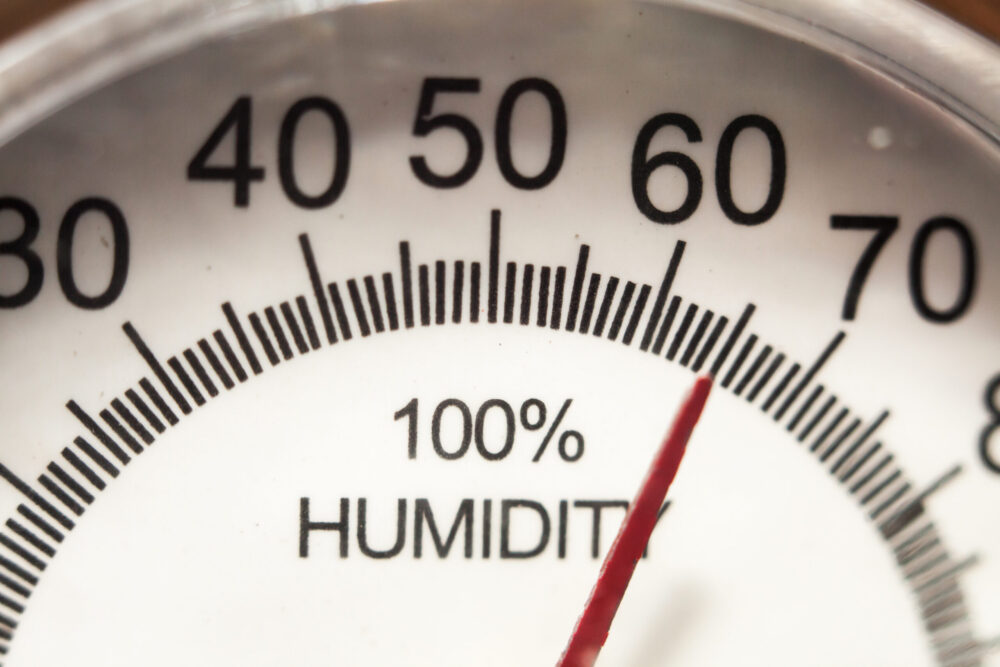
Most indoor air quality experts recommend maintaining a humidity level between 35% and 50% relative humidity. This range provides a balance between comfort and protection from common moisture-related problems.
Keeping humidity in the ideal range offers numerous benefits:
- Prevents mold and mildew growth
- Reduces dust mites and allergens
- Improves respiratory comfort
- Protects wood furniture and flooring
- Maintains efficient HVAC performance
Humidity levels outside this range can create a variety of issues for homeowners.
What Happens When Humidity Is Too High?
High humidity is a common problem, especially in warmer climates or during summer months when outdoor moisture levels rise.
Mold and Mildew Growth
Mold thrives in humid areas, especially when indoor humidity exceeds 60%. When indoor humidity exceeds 60%, moisture can accumulate on surfaces such as walls, ceilings, and air ducts, creating ideal conditions for mold spores to grow. This can cause musty odors, create visible mold patches, and trigger allergic reactions and respiratory irritation.
Increased Dust Mites
Dust mites are microscopic pests that thrive in humid environments. Their excrements often trigger allergic reactions, including a runny nose, watery eyes, and sneezing. Elevated humidity levels allow them to multiply more rapidly, which can worsen allergy symptoms for many people.
Reduced Cooling Efficiency:
Humid air feels warmer than dry air. As a result, air conditioning systems must run longer to remove moisture from the air before cooling can take effect. This increases energy consumption and raises utility bills.
Structural Damage:
Excess humidity can damage building materials over time, causing warped hardwood floors, peeling paint, condensation on windows, and moisture buildup inside walls. Maintaining balanced humidity helps protect both the home’s structure and the systems inside it.
Why Humidity Is Hard to Control with HVAC Alone
Many homeowners assume their air conditioner will manage humidity levels automatically. While AC systems do remove some moisture during cooling cycles, they’re not designed primarily for humidity control. Several factors make humidity difficult to manage with cooling equipment alone:
Short Cooling Cycles:
Modern high-efficiency air conditioners often run shorter cycles. While this improved energy efficiency, it can limit the system’s ability to remove moisture from the air.
Mild but Humid Weather:
During spring and fall, humidity can remain high even when temperatures are moderate. In these situations, the air conditioner may not run long enough to remove moisture.
Tight Modern Homes:
Newer homes are built with tighter insulation and better sealing to reduce energy loss. While this improves efficiency, it also traps humidity inside. There’s no clear way for the humidity to escape the room.
Because of these factors, homeowners may experience high indoor humidity even when their HVAC system appears to be working normally.
The Role of Whole-House Dehumidifiers
Whole-house dehumidifiers are designed specifically to manage humidity levels across the entire home. Unlike portable units that only treat one room, whole-house systems integrate directly into your HVAC ductwork.
This allows them to remove moisture from the air before it circulates through the home. Field Controls whole-house dehumidifiers provide a powerful and consistent solution for maintaining ideal humidity levels year-round.
Signs Your Home May Need a Whole-House Dehumidifier
Some common indicators of excess humidity include:
- Persistent musty odors
- Condensation on windows
- Damp or sticky indoor air
- Mold growth in bathrooms or basements
- Allergy symptoms that worsen indoors
If these issues occur frequently, it may be a sign that your home is not maintaining an ideal indoor humidity level.
How Whole-House Dehumidifiers Work
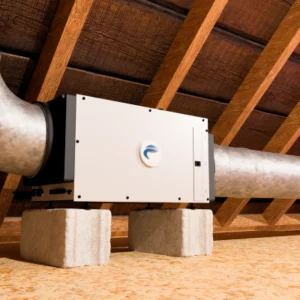
Whole-house dehumidifiers operate by drawing humid air from the home through the HVAC return duct system. Inside the unit, moisture is removed from the air through a refrigeration-based process similar to that used in air conditioners.
The dehumidified air is then returned to the HVAC system and distributed throughout the home. Key features of whole-house dehumidifiers include:
- High moisture removal capacity
- Automatic humidity control through a humidistat
- Quiet operation integrated within the HVAC system
- Continuous drainage that eliminates the need for manual emptying
This system ensures balanced humidity levels across every room in the home.
Benefits of Whole-House Dehumidifiers
Whole-house dehumidifiers provide several advantages over portable units or relying solely on air conditioning.
Consistent Humidity Control:
Because the system connects directly to the HVAC airflow, it regulates humidity evenly throughout the entire house rather than targeting a single room.
Improved Indoor Air Quality:
Maintaining proper humidity helps reduce allergens such as mold spores and dust mites.
Increased Comfort:
Balanced humidity levels make indoor air feel cooler and more comfortable, even during warmer months.
Energy Savings:
When humidity is controlled, air conditioners don’t need to run as frequently or as long to maintain comfortable temperatures.
Protection for Your Home:
The right humidity levels can effectively protect wood floors, furniture, and structural materials from moisture-related damage.
Maintaining Ideal Humidity Throughout the Year
Humidity levels can fluctuate significantly depending on several conditions.
During the summer, warm outdoor air often carries large amounts of moisture. Whole-house dehumidifiers help remove excess humidity before it circulates indoors keeping your home at an ideal indoor humidity level.
For spring and fall months when there’s mild but humid weather, cooling systems may not run long enough to control moisture. Whole-house dehumidifiers fill this gap.
While winter air is typically drier, indoor humidity can still fluctuate due to heating systems and ventilation changes.
A properly installed humidity control system keeps indoor conditions stable regardless of the season.
Creating a Healthier Home Environment
Humidity control is an essential part of maintaining healthy indoor air. When moisture levels are properly balanced, homeowners experience better comfort, improved air quality, and reduced risk of mold or structural damage.
Whole-house dehumidifiers provide a reliable solution by managing humidity across the entire home instead of relying on small portable devices. With the right humidity control system in place, homeowners can maintain the ideal indoor environment year-round, protecting both their comfort and their investment in their home.