

VENTILATION DAMPERS
THE IMPORTANCE OF VENTILATION DAMPERS

Ventilation dampers are a critical part of indoor air quality systems, helping regulate and direct airflow for both comfort and efficiency. Whether part of a balanced fresh air system, zone control setup, or exhaust solution, dampers give contractors and system designers precise control over when and how air moves through a space.
Since 1927, Field Controls dampers have been engineered for smooth, responsive operation helping systems meet ventilation codes, improve HVAC performance, and operate more efficiently. Available in multiple styles and configurations, they integrate easily with central HVAC systems or standalone ventilation equipment.
THE FUNCTION OF DAMPERS
Improve Energy Efficiency: By closing off airflow when it’s not needed, dampers help reduce standby losses and prevent unnecessary air movement.
Support Ventilation: Dampers maintain proper pressure and flow to prevent over- or under-ventilation.
Control Airflow Timing and Direction: Dampers open and close based on demand, ensuring air is delivered only when and where it’s needed.
Meet Code Requirements: Cuts down on the energy needed to condition incoming air, especially in areas with extreme temperatures
Meet Code Requirements: Proper damper use ensures compliance with standards like ASHRAE 62.2 and Title 24 by helping manage continuous or demand-controlled ventilation rates.

TYPES OF VENTILATION DAMPERS

Fresh Air Dampers regulate the introduction of outdoor air into the HVAC system, opening and closing based on ventilation demand or schedule. They help maintain indoor air quality and pressure balance, and are commonly paired with ventilation controls to meet code and comfort requirements.
Spring Closed Damper use a spring mechanism to stay closed when not powered, preventing unwanted air infiltration. When energized, the damper opens to allow airflow, making them ideal for controlled fresh air intake and demand-based ventilation setups.

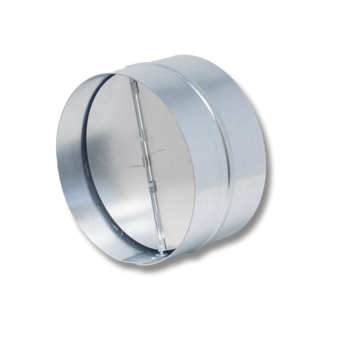
Backdraft Dampers allow airflow in one direction and close automatically when air stops or reverses. They’re commonly installed in exhaust lines to block outdoor air from re-entering the system and to prevent cross-contamination between zones.
OUR VENTILATION DAMPER PRODUCTS


OTHER VENTILATION TECHNOLOGIES
Field Controls Learning Library

Learn how whole-home humidity control helps modern homes manage excess moisture, dry air, comfort, and changing seasonal conditions.
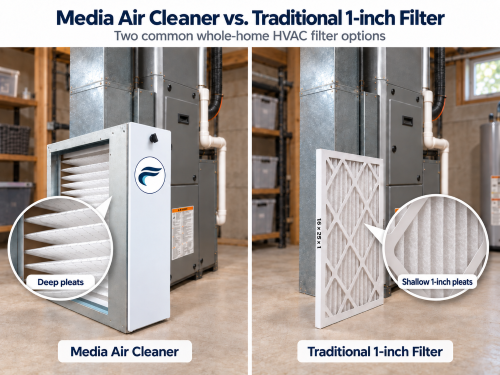
What is the difference between a whole-house media air cleaner and a traditional 1-inch furnace filter? Compare filtration capacity, particle capture, airflow, filter life, air bypass, and HVAC protection to determine which option is right for your home.

Summer heat, humidity, allergens, wildfire smoke, and longer HVAC runtimes can all contribute to poor indoor air quality. Learn why cooling season is an important time to improve filtration, air purification, and overall IAQ throughout your home.
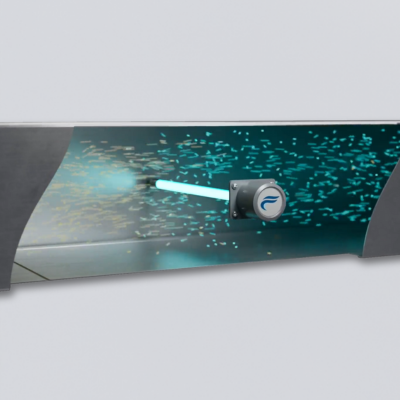
UV air purifiers use germicidal UV-C technology to help reduce airborne viruses, bacteria, and mold spores as air moves through HVAC systems. Learn how UV purification supports cleaner indoor air as part of a layered indoor air quality strategy.
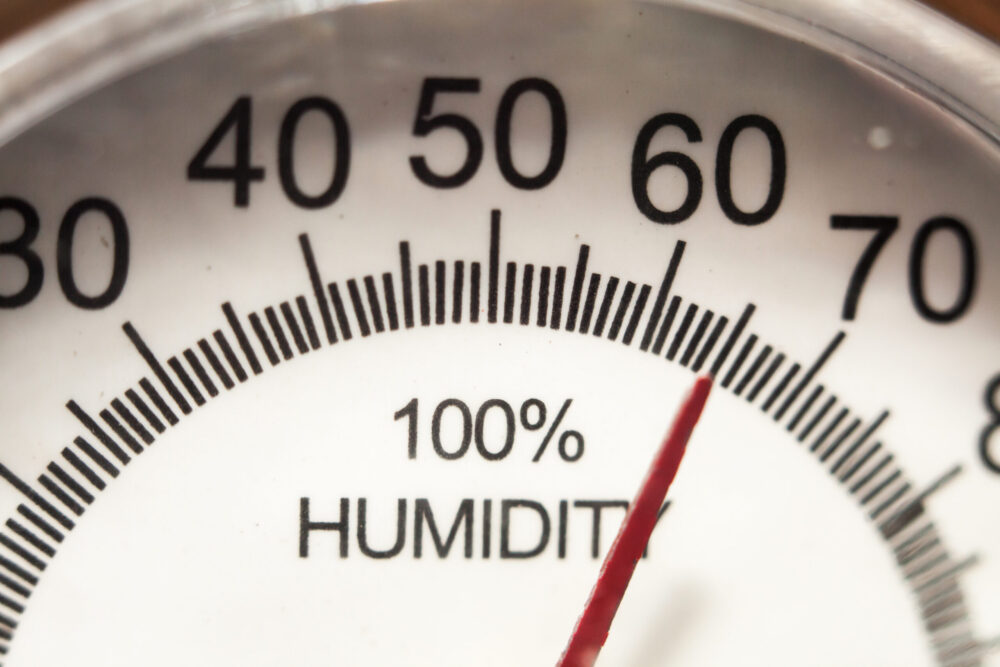
Indoor humidity plays a major role in comfort, air quality, and home protection. Learn the ideal humidity range, the risks of imbalance, and how whole-house dehumidifiers help maintain consistent conditions year-round.