

Peak Cooling Season Equals Peak IAQ Risk: Why Summer Is One of the Most Important Times to Protect Your Indoor Air
When temperatures soar, it’s time to keep the home cool and comfortable. Air conditioners work overtime during the hottest months of the year. We welcome the relief they bring from the summer heat.
While your HVAC system is busy cooling your home, another important issue may be developing behind the scenes: Indoor Air Quality, or IAQ.
Peak cooling season often coincides with peak IAQ risks. Warm temperatures, increased humidity, higher pollen counts, wildfire smoke, and heavier HVAC use can all contribute to a buildup of airborne contaminants inside the home. Without the proper filtration and air purification solutions in place, your HVAC system may be circulating those contaminants throughout your living spaces.
Understanding why IAQ is especially vulnerable during cooling season can help homeowners take proactive steps to create a cleaner, healthier, and more comfortable home.
Why IAQ Matters More During the Summer
Your HVAC systems serve two important purposes:
- Regulating temperature
- Circulating air.
During the summer, it runs longer and more frequently than almost any other time of the year.
As air continuously moves through the system, it also carries dust, pollen, pet dander, mold spores, smoke particles, and other volatile organic compounds. If these contaminants aren’t properly captured or neutralized, they can continue cycling throughout the house every time the air conditioner turns on.
Because windows and doors remain closed to keep conditioned air inside, there’s often less natural ventilation, allowing indoor pollutants to accumulate.
Higher Humidity Creates Ideal Conditions for Contaminants
Summer humidity isn’t just uncomfortable. It also creates favorable conditions for many IAQ problems.
When humidity rises above the recommended range of 30-50%, it can encourage mold and mildew growth, dust mite populations, musty odor buildup, and moisture accumulation around HVAC equipment. Cooling coils naturally remove some moisture from the air, but that moisture can stick around, letting mold and microbial growth develop if they aren’t properly maintained. These contaminants can eventually enter the airflow and circulate throughout the home.
If humidity is still high, a dehumidifier can be added for added protection.
Summer Allergens Are at Their Peak
Allergy season doesn’t end with spring. Throughout the summer, common allergens affect many homeowners, including grass pollen, weed pollen, outdoor dust, and pet allergens. Every time someone opens a door, returns home, or runs the HVAC system, these allergens can enter the home.
Even homes that appear clean can contain high concentrations of microscopic allergens that contribute to sneezing, congestion, itchy eyes and nose, and respiratory irritation. Effective filtration and purification help reduce the amount of these particles circulating indoors.
Increased HVAC Runtime Means More Air Circulation
Air conditioners often run for hours each day during peak cooling season. While this helps maintain comfortable temperatures, it also means the home’s air is continuously recirculated.
If contaminants are present, they don’t simply disappear. Instead, they can pass through the HVAC system repeatedly. Without adequate IAQ solutions, homeowners may unknowingly breathe the same airborne particles over and over again.
This makes summer one of the best times to evaluate how effectively your HVAC system is clearing, not just cooling, your air.
Wildfire Smoke and Outdoor Air Pollution Can Find Their Way Indoors
In many parts of the country, summer brings the risk of wildfire smoke, higher vehicle emissions, and fine particulate pollution. Even with the windows closed, these pollutants can enter through doors, ventilation systems, small air leaks, and the HVAC equipment.
Fine smoke particles are particularly concerning because they can remain suspended in the air for extended periods. When outdoor air quality declines, maintaining clean indoor air becomes even more important.
Why Standard HVAC Filters May Not Be Enough
Many residential HVAC systems rely on basic 1” 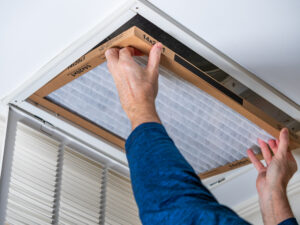 filters designed primarily to protect the equipment, not necessarily to improve IAQ. While these filters help capture larger particles, they often have limitations.
Standard filters may struggle to effectively capture, including fine dust, smaller pollen particles, and smoke particles, among other contaminants. Additionally, traditional filters don’t neutralize bacteria, viruses, or gaseous contaminants like volatile organic compounds and odors.
As HVAC systems work harder during the summer, relying on basic filtration alone may leave important IAQ concerns unaddressed.
A Layered Approach to IAQ
The most effective strategy for improving IAQ is a layered one. Rather than depending on a single solution, homeowners can combine technologies that address different types of contaminants.
A comprehensive IAQ strategy may include:
High-Efficiency Filtration:
Upgraded filtration helps capture airborne particles before they circulate throughout the home. Replacing old filters can vastly improve air quality.
UV Air Purification:
Ultraviolet (UV-C) technology helps neutralize bacteria, viruses, and mold that pass through the HVAC system while also helping reduce microbial growth on cooling coils.
Advanced Air Purification:
Some air purification technology helps technologies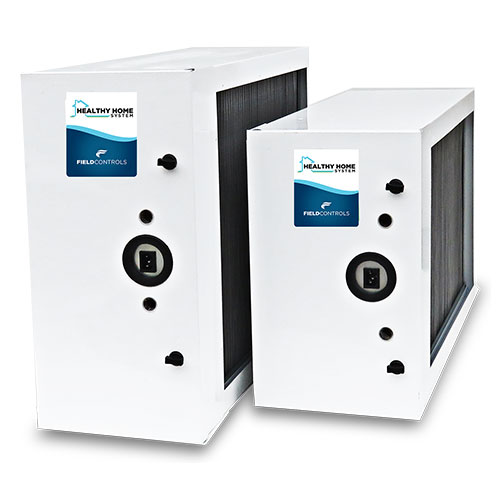 help reduce odors, chemical pollutants, and other volatile organic compounds. For example, MERV 13 filters are designed to capture the finer particles that sometimes fit through the standard 1” filters.
Routine HVAC Maintenance:
Proper and frequent checkups can support better IAQ. Inspect and clean evaporator coils. Check condensate drain lines for proper drainage. Inspect ductwork for leaks or excessive dust buildup.
Signs Your IAQ May Be Suffering This Summer
There are some indicators that can tell you that your home’s indoor air quality may need attention.
- Are your allergies constantly flaring up throughout the day? Are you constantly sneezing, itching, coughing, etc.?
- Does dust quickly accumulate in rooms even after you cleaned clean?
- Have you noticed an increase in musty or stale odors?
- Do you have certain rooms that have increased or uneven levels of humidity?
- Does your air conditioning system kick on, but you don’t feel the right amount of cooling you expect?
If these issues become more noticeable during the summer months, it may be time to evaluate your home’s IAQ strategy.
Why Summer is the Best Time to Upgrade Your IAQ System
Indoor air quality isn’t limited to the cold and flu season. In reality, summer presents just as many challenges.
Peak cooling season places your HVAC system under its greatest workload, making it the ideal time to ensure it’s not only cooling efficiently, but also delivering cleaner, healthier air.
Field Controls offers a range of IAQ solutions designed to work with your HVAC system, including advanced filtration, UV air purification, and other technologies that help reduce airborne contaminants throughout the home.
Investing in IAQ today can provide benefits that extend well beyond the cooling season, supporting comfort, wellness, and peace of mind for your family all year long.