
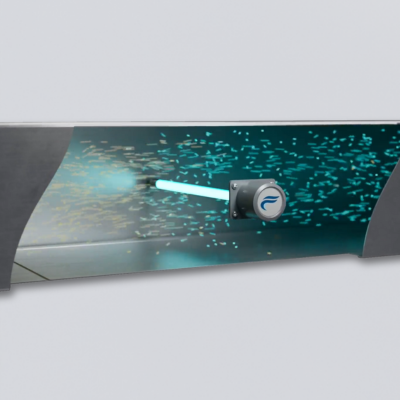
UV Air Purifiers: Reducing Airborne Viruses in Homes & Buildings with UV Technology
Indoor air quality is one of the most important aspects of creating a healthy indoor environment. Whether at home, in schools, at the office, or in commercial buildings, people are increasingly aware that airborne contaminants, like viruses, bacteria, or mold spores, can circulate through indoor spaces far more easily than many realize.
As homes and buildings become more energy efficient and tightly sealed, indoor air has nowhere else to go and often recirculates repeatedly through HVAC systems. Without proper air cleaning, contaminants can remain suspended in the air and spread from room to room.
This is where UV air purifiers have become a powerful solution. By using advanced ultraviolet technology to neutralize airborne microorganisms and pathogens, UV air purification systems help reduce the spread of airborne viruses while supporting cleaner, healthier indoor air.
What is UV Technology?
UV light is a type of electromagnetic energy naturally produced by the sun. The wavelengths are shorter than visible light but longer than X-rays, making them invisible to the naked eye, but no less powerful. It’s categorized into several types: UV-A, UV-B, and UV-C.
-
UV-A Light:
This is the lowest energy level with a 400-320 nm long wavelength. UV-A light is commonly used in tanning beds, but too much exposure can cause sunburn, skin cancers, and wrinkles.
-
UV-B Light:
This is the medium energy level with a 320-280 nm wavelength. UV-C light accounts for 5-10% of UV radiation on Earth. It’s a source of vitamin D, but once again, too much exposure can lead to health issues.
-
UV-C Light:
This is the highest energy level with a 280-200 nm wavelength. UV-C light radiation is completely filtered out by the ozone layer, so human-made sources recreate the light for sterilization and germicidal applications.
For indoor air purification, UV-C light is the most important. Its germicidal properties are capable of disrupting the DNA and RNA of microorganisms. This impacts viruses, bacteria, or mold spores; when they’re exposed to UV-C energy, they lose the ability to reproduce and spread.
This technology has been used for decades in environments where sanitation is critical, including hospitals, laboratories, food processing facilities, and medical clinics. Today, UV-C technology is increasingly being integrated into residential and commercial HVAC systems to improve indoor air quality.
How UV Air Purifiers Work
UV air purifiers are typically installed inside HVAC systems or ductwork where air continuously circulates throughout the building.
As air passes through the HVAC system, airborne contaminants travel through the ductwork. UV-C light then exposes microorganisms to germicidal energy, and the viruses and bacteria are neutralized before the air is redistributed.
Unlike standard filters that only capture particles, UV technology actively targets biological contaminants at the microscopic level. Some UV air purification systems also help prevent microbial growth directly on HVAC components, such as evaporator coils and drain pans, where moisture can create ideal conditions for mold and bacteria.
Why Airborne Viruses Are a Concern Indoors
Viruses spread particularly well in indoor environments because enclosed spaces allow airborne particles to linger longer.
Several factors contribute to increased indoor transmissions, like limited ventilation, recirculated HVAC airflow, higher occupancy levels, and more time spent indoors during cooler seasons. When someone coughs, sneezes, talks, or just breathes, microscopic droplets containing viruses can remain suspended in the air for extended periods.
Without proper air treatment, these airborne contaminants may circulate repeatedly through a building’s HVAC system. This is why improving indoor air quality has become an important part of reducing exposure risks.
The Limitation of Traditional HVAC Filters
Many homeowners assume that their HVAC filter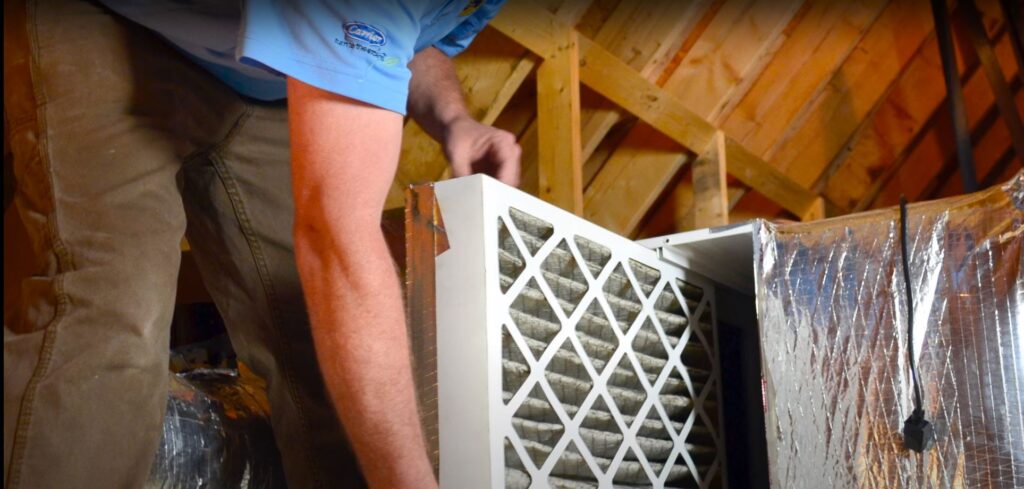 alone is enough to protect indoor air quality. While filtration is important, standard filters have limitations.
Basic HVAC filters are primarily designed to protect HVAC equipment and capture larger dust particles.
However, many airborne microorganisms are extremely small and may not be fully addressed by filtration alone.
Even high-efficiency filters may capture particles without neutralizing them, while allowing some microorganisms to remain visible. They can also miss gases, odors, or contaminants attached to microscopic droplets.
This is why UV air purification is often used alongside filtration as part of a layered indoor air quality strategy.
Benefits of UV Air Purifiers
UV air purification systems provide several important benefits for homes and buildings.
Reduces Airborne Viruses and Bacteria
The primary advantage of UV-C technology is its ability to neutralize microorganisms. By targeting airborne pathogens as they circulate through the HVAC system, UV air purifiers help reduce the spread of contaminants. This contributes to a healthier indoor environment, especially during cold and flu season.
Supports Cleaner Indoor Air
Indoor air often contains more than just dust. UV systems help address contaminants that standard filtration may not fully eliminate. Cleaner indoor air can contribute to improved respiratory comfort, reduced airborne irritants, and better overall indoor air quality.
Helps Prevent Mold Growth Inside HVAC Systems
Moisture inside HVAC systems can create ideal conditions for mold and microbial buildup, particularly on cooling coils. UV lights installed near coils help inhibit microbial growth directly on these surfaces. This helps maintain cleaner HVAC components, reduce musty odors, and improve system cleanliness.
Enhances HVAC System Efficiency
When coils and internal HVAC parts remain cleaner, airflow and heat transfer efficiency improve. Reduced microbial buildup can help maintain HVAC performance, reduce train on the system, and support long-term equipment reliability.
Residential vs Commercial UV Air Purification
UV air purification can benefit both homes and commercial 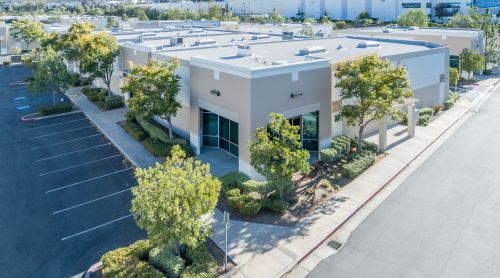 buildings, though the applications may vary.
In Residential Homes:
Homeowners often use UV systems to improve indoor air quality, reduce allergens and airborne contaminants, and support healthier living environments. These systems integrate directly into residential HVAC systems and operate automatically whenever the system runs.
In Commercial Buildings:
Commercial buildings face additional IAQ challenges due to higher occupancy levels, continuous HVAC operations, and shared indoor spaces in offices, schools, retail spaces, and hospital settings. In these places, maintaining healthier indoor air can improve comfort and occupant confidence.
Why UV Works Best as Part of a Layered IAQ Strategy
While UV technology is highly effective against microorganisms, no single technology addresses every indoor air quality concern. That’s why many HVAC professionals recommend combining high-efficiency filtration, UV air purification, ventilation improvements, and humidity control.
Field Controls designs indoor air quality solutions that support this layered approach, helping homeowners and building operators create healthier indoor environments.
Is a UV Air Purifier Right for Your Home or Building?
UV air purification may be especially beneficial if:
- Family members suffer from allergies or respiratory sensitivities
- You want to improve indoor air quality year-round
- Your building has limited ventilation
- You are concerned about airborne illness transmission
- Mold growth has occurred inside HVAC systems
Because UV systems operate inside the HVAC system itself, they provide continuous treatment without requiring daily attention or maintenance beyond periodic lamp replacement.
Indoor air quality plays a major role in comfort, wellness, and overall building health. As awareness of airborne contaminants continues to grow, UV air purifiers have been an increasingly important tool for reducing airborne viruses and improving indoor environments.
By using UV-C technology to neutralize microorganisms inside HVAC systems, Field Controls’ UV air purifiers help reduce airborne contaminants before they circulate through homes and buildings. The Trio Plus Portable Air Purifier is engineered with cutting edge UV technologies to effectively purify the home with the cleanest and freshest air.
Combined with proper filtration and ventilation, UV technology provides a powerful layer of protection for cleaner, healthier indoor air.