

Photocatalytic Oxidation
WHY PCO MATTERS

Indoor spaces are filled with more than just dust and particles — they often contain gaseous contaminants that come from everyday sources like cleaning products, building materials, paints, adhesives, and even furniture. Traditional filters such as HEPA are highly effective at capturing particles but cannot trap these gases and volatile organic compounds (VOCs).
Photocatalytic Oxidation (PCO) technology addresses this gap by using UV light and a catalyst to break down gaseous pollutants at a molecular level. Instead of lingering in the air, these compounds are transformed into harmless byproducts such as carbon dioxide and water vapor, helping create a safer and more comfortable indoor environment.
HOW IT WORKS
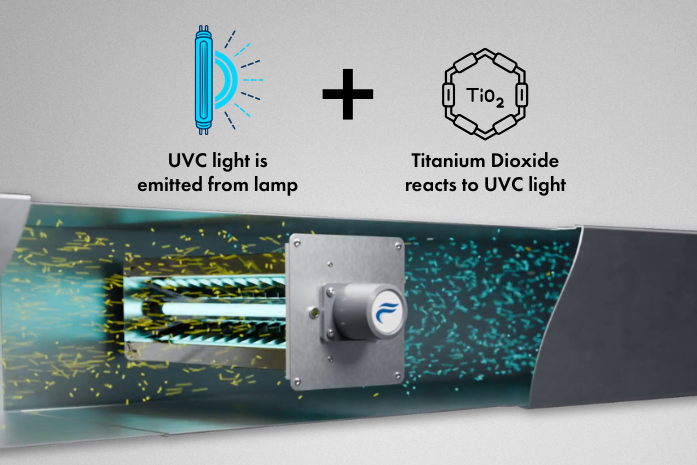
Photocatalytic Oxidation (PCO) is an advanced air treatment process that combines UVC light with a catalyst, most commonly titanium dioxide (TiO₂). When the UVC light activates the catalyst surface, it excites electrons and generates reactive oxygen species (ROS) such as hydroxyl
radicals (•OH) and superoxide anions (O₂⁻).
These highly reactive molecules then interact with volatile organic compounds (VOCs), odors, and toxic gases that pass across the catalyst surface. Through a process of oxidation, the complex chemical contaminants are broken down into their simplest, harmless components — primarily carbon dioxide (CO₂) and water vapor (H₂O).
WHICH VOCs ARE OFTEN FOUND INDOORS?
Formaldehyde: Found in building materials, furniture, and household products
Benzene: Present in tobacco smoke, gasoline, and industrial emissions
Toluene: Found in paints, solvents, and adhesives.
Xylene: Present in paints, varnishes, and cleaning agents.
Acetone: Found in nail polish remover, paint thinner, and adhesives.
Ethanol: Present in alcoholic beverages, fuels, and personal care products.
Methanol: Found in cleaning products, paints, and antifreeze.
Trichloroethylene: Present in some cleaning agents and industrial solvents.
Perchloroethylene: Found in dry cleaning solutions and spot removers.
Formaldehyde: Present in some cosmetics, disinfectants, and pressed wood products.
PCO COMMON APPLICATIONS
Residential Use
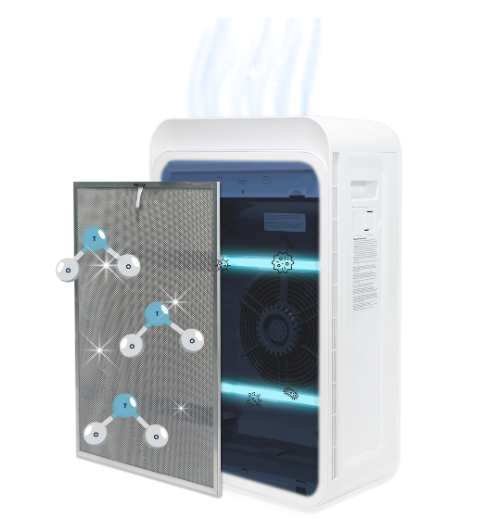
Photocatalytic Oxidation (PCO) is ideal for addressing some of the most difficult indoor air challenges in the home — from lingering odors to chemical pollutants that traditional filtration can’t fully remove. By converting harmful VOCs and gases into harmless byproducts, PCO creates cleaner, fresher air for everyday living.
- Reduces VOCs: Breaks down volatile organic compounds from paints, cleaning products, and household materials.
- Removes Odors at the Source: Neutralizes smells from cooking, pets, and smoke for a consistently fresh environment.
- Enhances Air Quality: Helps lower concentrations of airborne irritants that can impact comfort and well-being.
- Includes UV Benefits: Because PCO relies on UV light, homeowners also gain the added benefit of reduced airborne germs and cleaner
HVAC coils. - Whole-Home Coverage: Works through central HVAC systems or portable units for targeted spaces.
Commercial & Large-Scale Applications
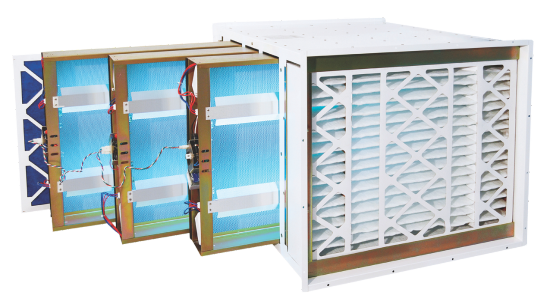
PCO technology is particularly valuable in commercial and industrial settings, where indoor air can be affected by higher occupant density, chemical use, or specialized equipment. By actively reducing gases and odors that standard filters miss, PCO helps maintain a clean and compliant indoor environment.
- Industrial & Specialized Spaces: Breaks down airborne gases and fumes in environments like labs, casinos, clinics, and gyms.
- Improves Occupant Experience: Reduces persistent odors and enhances overall comfort in workplaces and public-facing spaces.
- Contributes to Air Quality Standards: Supports compliance by reducing pollutants that impact health and safety.
- Corporate Offices: Support employee health and productivity with cleaner, safer indoor air.
- Includes UV Benefits: The UV light powering PCO also helps reduce airborne germs and microbial growth on coils, improving HVAC system longevity and efficiency.
Field Controls Learning Library
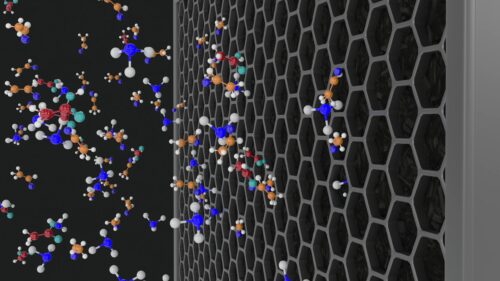
A media air cleaner is a whole-home filtration upgrade that integrates directly into your HVAC system to capture more airborne particles, improve airflow, and extend filter life. Unlike standard 1-inch filters, media air cleaners use deep-pleated filters and sealed cabinets to deliver cleaner air throughout your entire home with less maintenance.
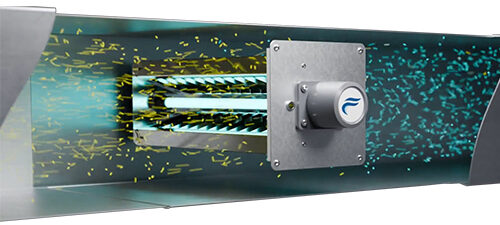
Indoor air can be up to five times more polluted than outdoor air, particularly in energy-efficient homes that are tightly sealed, allowing pollutants like germs, VOCs, and odors to accumulate over time and potentially cause health problems for residents. Learn how a whole house air purifier can help.
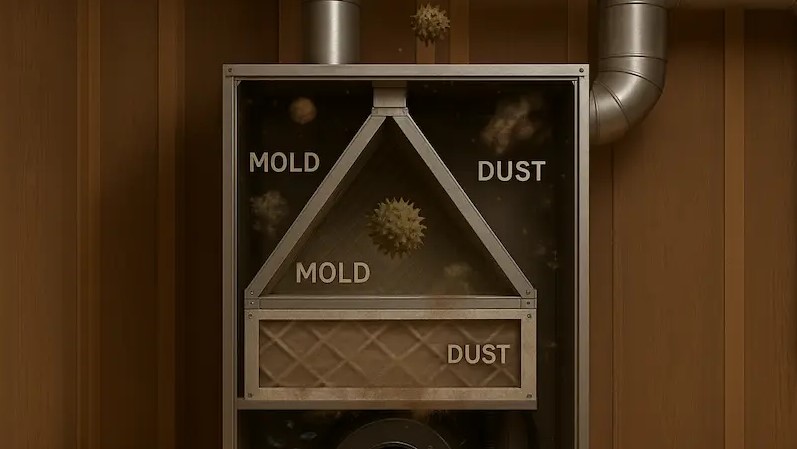
Your HVAC system may be circulating more than just air. Dust, mold, and bacteria can build up and impact your health. Discover how whole-home purification helps.
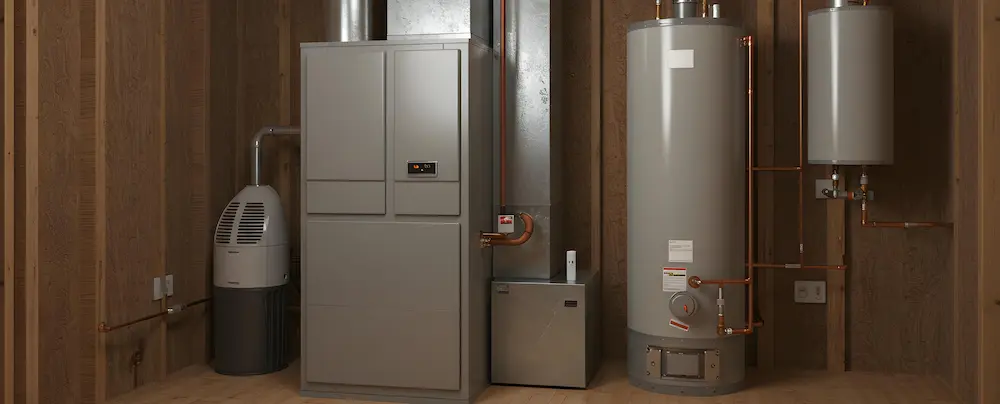
As temperatures drop, your furnace becomes the heart of your home. Before winter arrives, make sure it’s running efficiently and safely. From replacing filters to checking burners, these simple maintenance steps can lower energy costs, improve air quality, and keep your family comfortable all season.
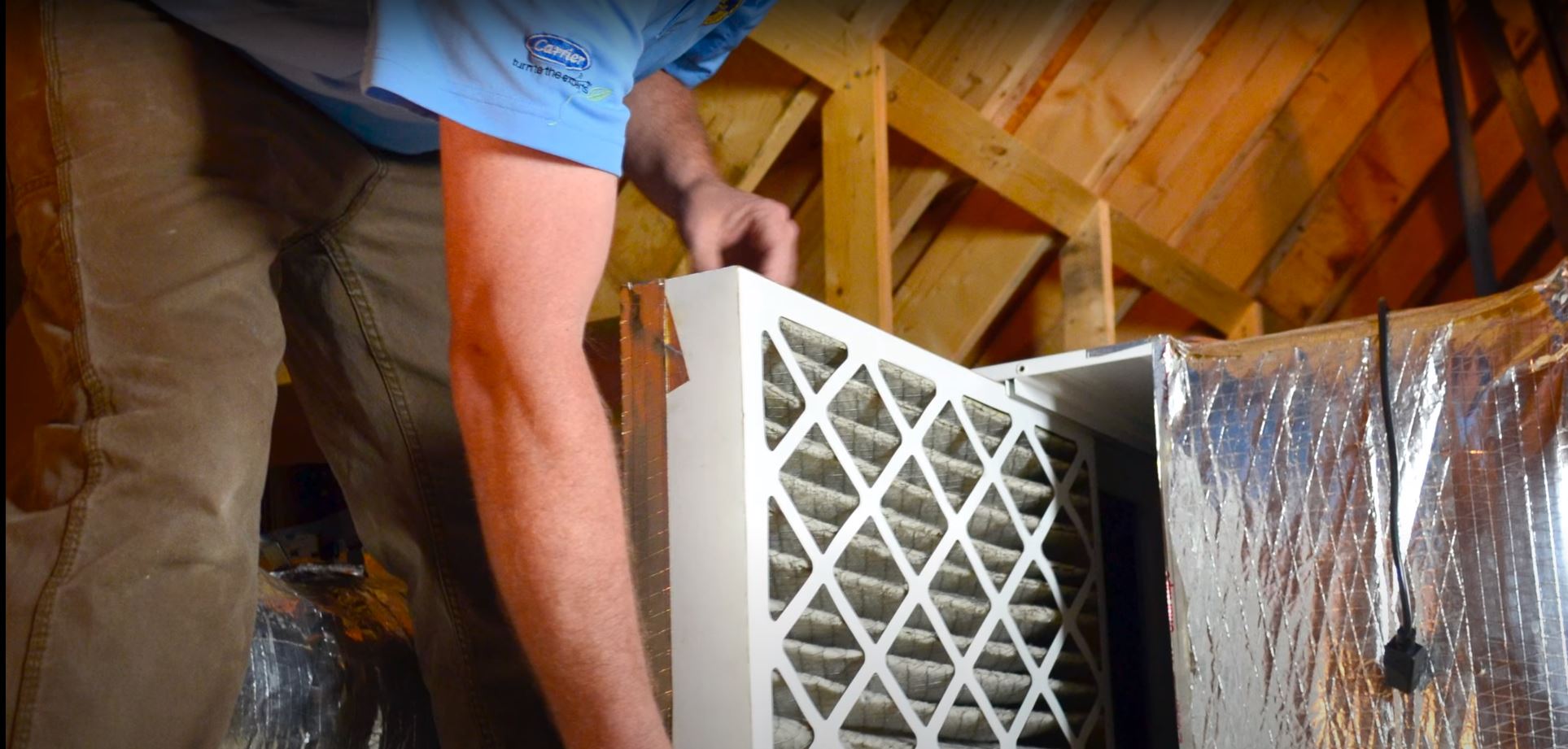
Before winter settles in, make sure your furnace is ready to perform at its best. A quick HVAC filter check can improve airflow, reduce energy bills, and protect your system from costly damage. Learn why replacing your furnace filter before the cold hits is one of the simplest ways to boost comfort, efficiency, and indoor air quality all season long.


