

ENERGY RECOVERY VENTILATION
THE IMPORTANCE OF ENERGY RECOVERY VENTILATION
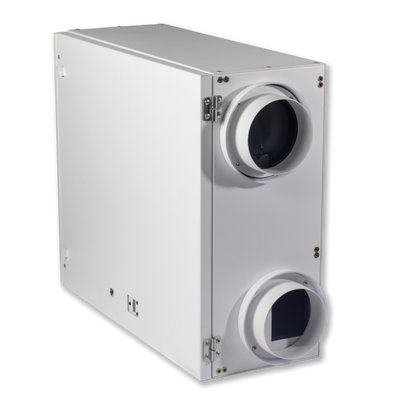
Fresh Air, Balanced Comfort, and Lower Energy Bills
Modern homes are built tighter than ever for energy efficiency — but that tight seal traps stale air, moisture, and indoor pollutants inside. Mechanical ventilation is essential to bring in fresh air, but it can also create energy loss, especially in extreme climates.
Energy Recovery Ventilators (ERVs) offer a smart solution by introducing fresh outdoor air while capturing the energy from the air that’s leaving. This allows homes to breathe without sacrificing comfort or efficiency. The result is cleaner air, reduced energy waste, and a more balanced indoor environment.
WHAT ENERGY RECOVERY VENTILATORS (ERV) DO
Deliver Fresh Outdoor Air: Constantly replaces stale indoor air with fresh air from outside
Recover Heating & Cooling Energy: Transfers heat and moisture between incoming and outgoing airstreams to reduce HVAC workload
Balance Humidity: Helps manage moisture levels by reducing excess humidity in summer and retaining indoor humidity in winter
Lower Energy Costs: Cuts down on the energy needed to condition incoming air, especially in areas with extreme temperatures
Meet Code Requirements: Helps satisfy mechanical ventilation requirements such as ASHRAE 62.2 and Title 24 while minimizing operational costs

HOW ENERGY RECOVERY VENTILATION WORKS
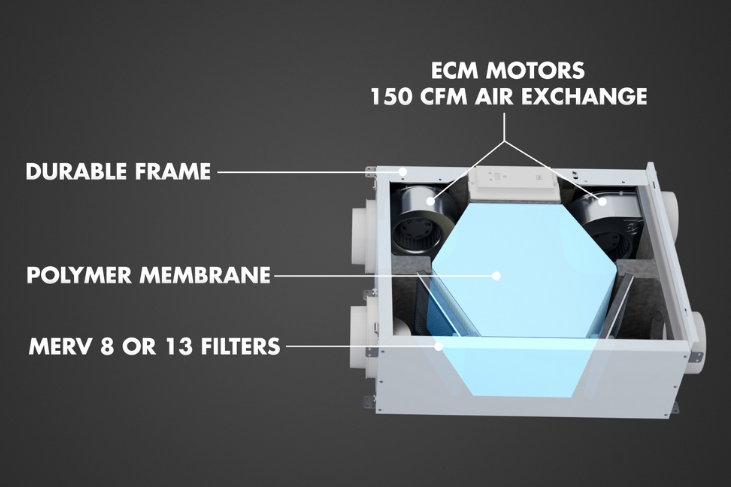
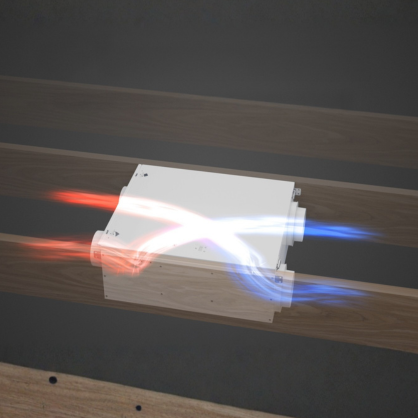
An Energy Recovery Ventilator (ERV) uses a heat and moisture transfer core—typically a crossflow or counterflow enthalpy core—to allow incoming and outgoing airstreams to pass through separate channels without mixing. As stale indoor air is exhausted, it transfers a portion of its heat and humidity to the incoming outdoor air through the core’s semi-permeable membrane.
This preconditions the fresh air: warming it in cold weather and cooling it in warm weather, while also balancing moisture levels. The result is continuous, balanced ventilation with reduced heating and cooling demand. Dedicated supply and exhaust blowers maintain even airflow, and high efficiency filters help clean incoming air before it reaches the living space.
KEY APPLICATIONS OF ERVS
Tightly Sealed Homes: Ideal for energy-efficient or new construction homes with limited natural air exchange
Multi-Story Houses: Promotes balanced airflow and ventilation across multiple floors
Climate Zones with Seasonal Extremes: Excellent for regions with hot summers, cold winters, or year-round HVAC use
Homes Prone to Humidity Imbalance: Assists in managing humidity without relying solely on humidifiers or dehumidifiers
Whole-House Systems: Installed directly into the home’s central ductwork to supply fresh air evenly throughout the living space
OUR ENERGY RECOVERY VENTILATION PRODUCTS

OTHER VENTILATION TECHNOLOGIES
Field Controls Learning Library
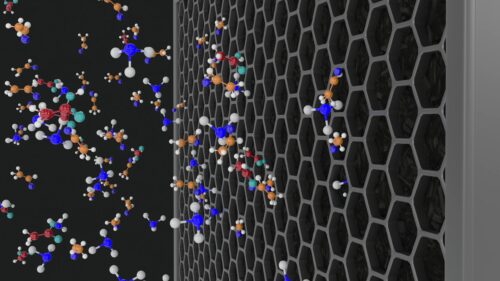
A media air cleaner is a whole-home filtration upgrade that integrates directly into your HVAC system to capture more airborne particles, improve airflow, and extend filter life. Unlike standard 1-inch filters, media air cleaners use deep-pleated filters and sealed cabinets to deliver cleaner air throughout your entire home with less maintenance.
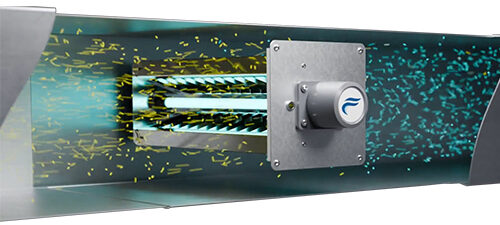
Indoor air can be up to five times more polluted than outdoor air, particularly in energy-efficient homes that are tightly sealed, allowing pollutants like germs, VOCs, and odors to accumulate over time and potentially cause health problems for residents. Learn how a whole house air purifier can help.
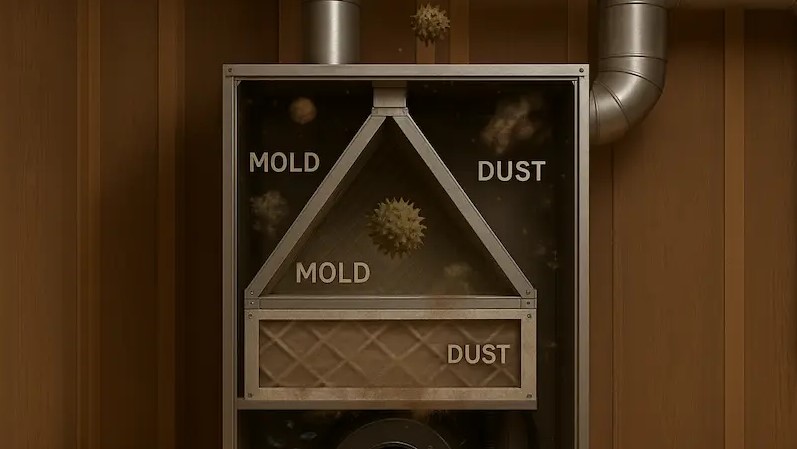
Your HVAC system may be circulating more than just air. Dust, mold, and bacteria can build up and impact your health. Discover how whole-home purification helps.
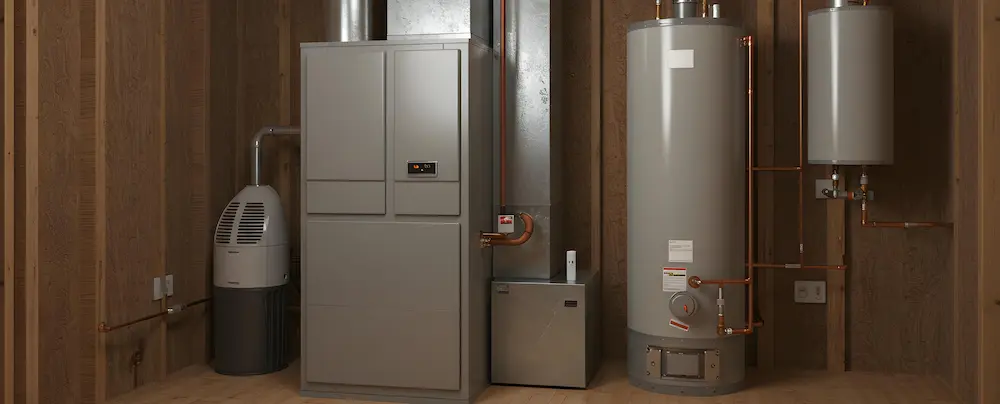
As temperatures drop, your furnace becomes the heart of your home. Before winter arrives, make sure it’s running efficiently and safely. From replacing filters to checking burners, these simple maintenance steps can lower energy costs, improve air quality, and keep your family comfortable all season.
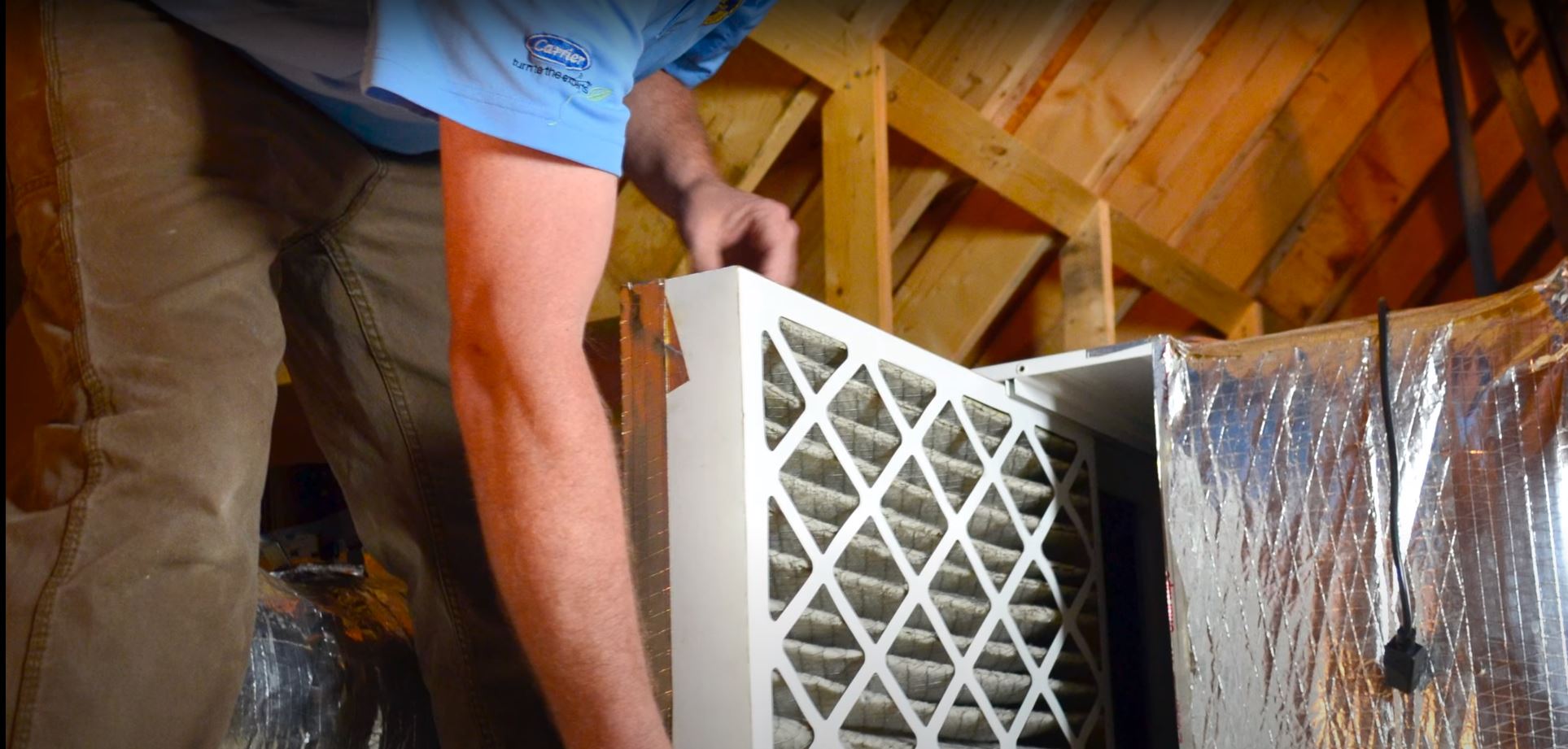
Before winter settles in, make sure your furnace is ready to perform at its best. A quick HVAC filter check can improve airflow, reduce energy bills, and protect your system from costly damage. Learn why replacing your furnace filter before the cold hits is one of the simplest ways to boost comfort, efficiency, and indoor air quality all season long.
