
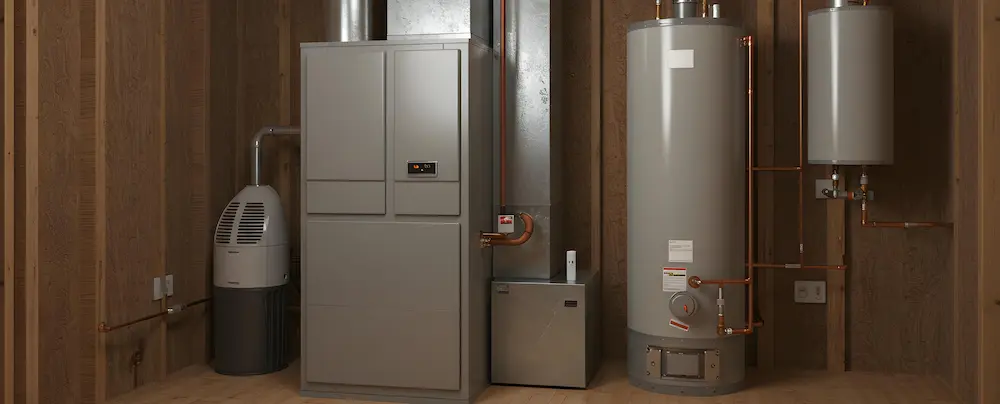
The Hidden Problem in HVAC Systems: Airborne Contaminants Cycling Through Your Home
Your HVAC system does more than you think. Sure, it keeps the house warm in the winter and cool in the summer, but what often goes unnoticed is the other critical role your system plays every single day: moving air throughout your home.
That constant and consistent airflow is essential for comfortable living in your house. However, it can create a hidden problem. Without proper filtration and purification, your HVAC system may be circulating airborne contaminants over and over again, exposing your family to pollutants you can’t see, smell, or always feel right away.
Understanding what’s silently and invisibly cycling through your home, and how to stop it, is key to improving indoor air quality and protecting long-term health.
How Air Moves Through Your HVAC System
When your furnace or air conditioner runs, air is pulled from your living spaces into the return ducts. It passes through a filter (hopefully a clean one) and is then pushed back into your home through supply vents. This process happens throughout the day, working dozens or even hundreds of times per day.
In a perfect system, harmful particles would be captured or neutralized before being redistributed. But in many homes, standard filtration alone isn’t enough, allowing contaminants to remain suspended in the air and recirculate repeatedly.
Because of that, what you breathe in the morning may be the same air carrying the same pollutants that were circulating the night before.
Common Airborne Contaminants in HVAC Systems
Dust and Fine Particles
Dust is a nuisance, but what’s it made from? It’s a mixture of dead skin cells, fabric fibers, dirt, and microscopic debris. While larger dust particles may settle on surfaces, fine particulate matter stays airborne and easily passes through low-efficiency filters.
Over time, the dust accumulates inside ductwork, blower compartments, and coils where it can be reintroduced into the air stream over and over again, coating your surfaces and getting into your lungs.
Allergens
Pollen, pet dander, and mold spores are some of the most common airborne allergens found in HVAC systems. These particles are lightweight and designed by nature to travel through the air.
When allergens cycle repeatedly through your home, allergy symptoms can get worse, asthma flare-ups become more frequent, and indoor comfort declines, even when the home looks clean. This all just diminishes the quality of living in your own home.
Bacteria and Viruses
Airborne microorganisms don’t disappear once they enter your home. Coughing, sneezing, talking, and breathing can release bacteria and viruses right into the air. In enclosed spaces, especially during winter when everything is sealed up, these microbes can linger and circulate.
Without air purification, HVAC systems can unintentionally distribute germs from room to room, increasing the likelihood of illness spreading within a household. One person with a cold all the way across the house can still potentially infect another household member, even if they’re never in the same room together.
Mold Spores
Mold spores are naturally present in outdoor air and easily enter homes through doors, windows , and ventilation. Once inside, moisture from HVAC components like coils or drain pans can create ideal conditions for mold growth.
Even without visible mold, spores can circulate continuously, triggering respiratory irritation and musty odors.
Volatile Organic Compounds
VOCs are gases released from everyday products like cleaning supplies, paints and finishes, furniture and flooring, and air fresheners. Unlike dust or allergens, VOCs are chemical pollutants, not particles. Standard HVAC filters are not designed to remove them, allowing these gases to cycle freely through the home.
The Health Impact of Recirculated Contaminants
When airborne pollutants cycle continuously, exposure becomes constant rather than occasional. Over time, this can lead to multiple health problems, like chronic allergy symptoms, increased respiratory irritation, fatigue and headaches, worsened asthma or COPD symptoms, and higher susceptibility to seasonal illness.
Children, older adults, and those who have compromised immune systems are especially vulnerable to poor indoor air quality. You want your home to be a safe and comfortable place, but poor air quality can threaten that comfort.
Why the Problem Is Worse in Modern Homes
Today’s homes are built tighter than ever to improve energy efficiency. While this is cost-effective and reduces heating and cooling losses, it also means less fresh air exchange, more recirculated indoor air, and more pollutants that remain trapped inside longer. Without advanced air cleaning, contaminants accumulate faster and linger longer, especially during winter months when you’re trying to keep the warm air inside.
Why Standard HVAC Filters Aren’t Enough
Most homes rely on basic 1” furnace filters, whether for convenience or cost. 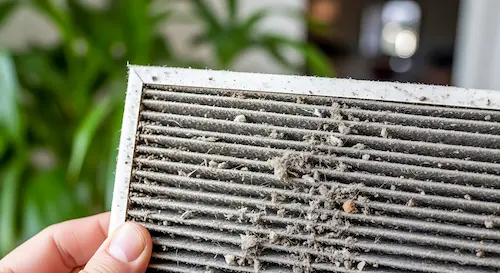 While these filters are helpful for protecting HVAC equipment, they were never designed to fully protect indoor air quality.
Limitations of standard filters include limited surface area, low efficiency for fine particles, minimal impact on bacteria, viruses, or VOCs, and frequent clogging, which reduces airflow. Many common filters are rated MERV 1-4, which only capture larger particles but let the smaller ones sneak through.
Relying on basic filters is no longer good enough to suffice. As filters become dirty, airflow is restricted, forcing the system to work harder while still allowing smaller contaminants to pass through.
Manufacturers like Field Controls create media air cleaners that dramatically increase filter surface area using deep-pleated media filters (typically 4-5″ thick). This lets them capture fine particles like pollen and smoke, maintaining airflow without restricting the system. They last significantly longer than standard filters as they prevent air bypass with sealed housings. This provides a major upgrade over traditional 1” filters while protecting HVAC performance.
Addressing the Problem at the Source
The most effective way to stop contaminants from cycling through your home is to treat the air inside the HVAC system itself.
Whole-house air cleaning solutions work where air passes most frequently (inside the ductwork), allowing pollutants to be captured or neutralized before reaching living spaces.
There are some key strategies you can follow. High-capacity filtration in the system can effectively capture fine particles and allergens. There’s also specialized UV-based purification from Field Controls that target airborne and surface-level microorganisms and can neutralize bacteria, viruses, and mold. Advanced technologies also address gases and odors, not just particles.
When you treat air at the system level, every room in the house benefits, not just one area.
The Role of Whole-House Air Cleaning
Unlike portable air cleaners that treat a single room, whole-house  solutions are designed to tackle, what else, the whole house.
It operates automatically whenever the HVAC system runs and provides continuous protection. While it’s working, it reduces contaminant buildup inside ductwork and components and improves overall system cleanliness and efficiency.
This approach turns the HVAC system from a distribution network for pollutants into an active defense against them.
What You Don’t See Matters Most
The air inside your home may look clean, but airborne contaminants can quietly cycle through your HVAC system day after day. Dust, allergens, germs, mold spores, and chemical pollutants don’t simply disappear when you clean. They move, recirculate, and accumulate.
By understanding the hidden role your HVAC system plays in indoor air quality, you can take meaningful steps to protect your home and your family’s health. Treating the air at the source is the most effective way to stop contaminants from cycling and start breathing cleaner, healthier air every day.