

Commercial Air Treatment
WE SPEND A SIGNIFICANT PART OF OUR LIVES INDOORS AT WORK

Clean Air is Essential for Healthy Work Environments
Indoor air quality directly impacts employee health, comfort, and productivity—making it a top priority in commercial buildings. At the same time, facility managers need reliable solutions to prolong HVAC system life, ensure compliance, and gain actionable IAQ analysis insights.
Field Controls’ commercial air treatment technologies are engineered to address these challenges. By leveraging central HVAC systems that continuously circulate air, our solutions provide whole-building coverage, effectively reducing contaminants at scale. From advanced purification and filtration to real-time air quality monitoring, we help create healthier indoor environments, boost occupant well-being, and maximize HVAC efficiency.
MODERN BUILDINGS TRAP POLLUTANTS - TIGHTER SEALS

WHY COMMERCIAL AIR TREATMENT IS IMPORTANT
Today’s buildings are built to be more energy-efficient, with better insulation and tighter seals. While this helps with energy costs, it also means that pollutants like dust, allergens, VOCs, and airborne bacteria have nowhere to go.
According to the U.S. Environmental Protection Agency (EPA), indoor air can be 2-5 times more polluted than outdoor air (EPA), making clean air an essential part of a healthy home. Field Controls offers an extensive range of advanced commercial air treatment products and solutions to make sure your indoor air remains clean and comfortable.
IMPROVE EFFICIENCY AND EXTEND EQUIPMENT LIFE
Proper air treatment is essential not just for air quality, but for the performance and longevity of HVAC systems. High-quality filtration captures dust, debris, and particulates before they can accumulate on internal components like coils and blowers. This helps maintain proper airflow, prevents system strain, and reduces the frequency of filter changes and cleanings.
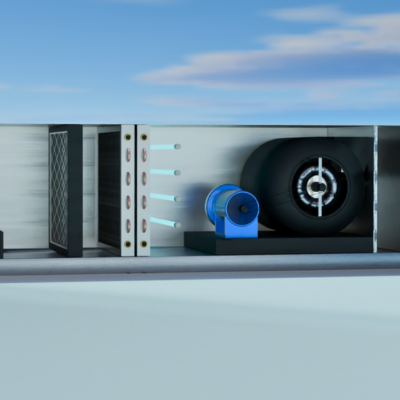
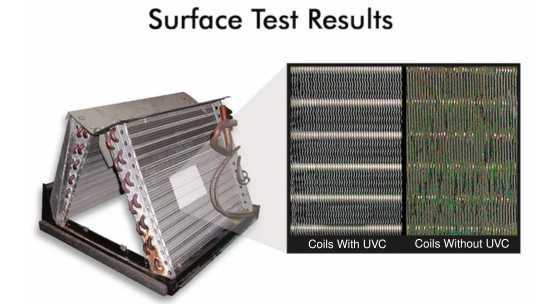
In addition to filtration, UVC light placed near HVAC coils plays a critical role in system efficiency. Over time, coils can develop a layer of toxic biological growth known as biofilm. This buildup insulates the coil surface, reducing heat transfer and forcing the system to work harder to maintain temperature. UVC eliminates biofilm at the source, restoring coil performance and reducing energy consumption.
Together, these technologies reduce operational strain, lower energy use, and help prevent costly breakdowns—extending the life of HVAC systems and minimizing long-term maintenance costs.
WHAT IS TOXIC BIOFILM?
Toxic biofilm is a slimy layer of microorganisms—like mold, bacteria, and fungi—that forms on damp HVAC components, especially coils and drain pans. Over time, this buildup can:
- Reduce system efficiency by insulating coil surfaces and restricting airflow
- Circulate harmful microbes into occupied spaces, posing health risks
- Lead to odors, corrosion, and premature equipment wear
Field Controls UVC technology disrupts and prevents biofilm at the source, helping maintain clean coils, healthier air, and optimal system performance.
FIELD CONTROLS ADDRESSES ALL TYPES OF INDOOR AIR POLLUTANTS
Indoor air pollution is generally classified into three primary categories: particles, gaseous pollutants, and germs. Together, these represent the full spectrum of airborne threats that can impact your home and living spaces.
- Particles – include visible and invisible solid particles like dust, pollen, pet dander, and smoke.
- Germs – such as mold spores, bacteria, and viruses pose significant health risks, especially in sealed, moisture-prone spaces.
- Gaseous Pollutants – including volatile organic compounds (VOCs) and odors, are often released from household products, building materials, and combustion sources.
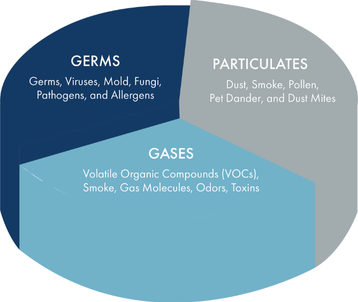
3 Indoor Air Pollutants
OUR COMMERCIAL AIR TREATMENT TECHNOLOGY:
WHY CHOOSE FIELD CONTROLS FOR COMMERCIAL AIR TREATMENT?





Air Treatment Learning Library
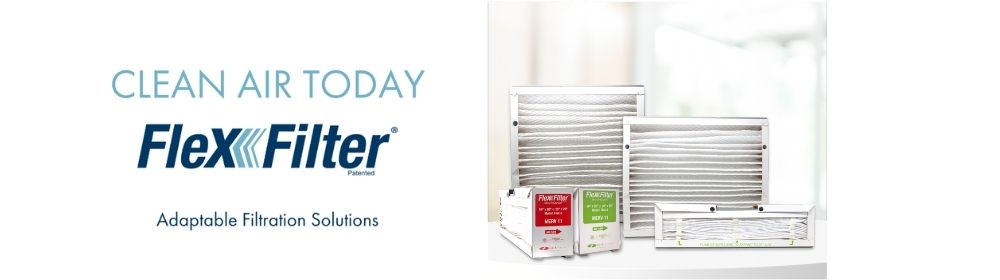
Standard 1-inch HVAC filters often fall short on airflow, lifespan, and particle capture. FlexFilters offer a smarter solution with expanded surface area, balanced airflow, and longer service life—helping protect your system while improving indoor air quality.
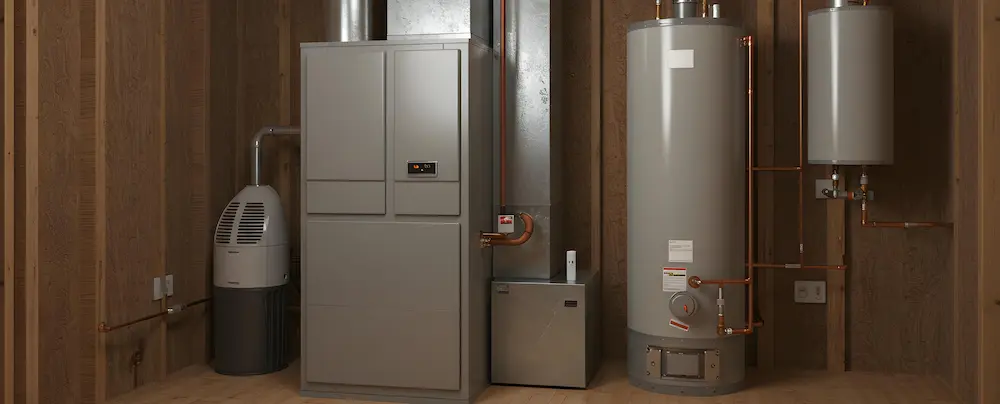
Your HVAC system moves air through your home all day long, but without proper filtration and purification, it may also be circulating dust, allergens, mold spores, microbes, and chemical pollutants. These contaminants can repeatedly cycle through your ductwork and living spaces, affecting comfort and long-term health. Understanding how HVAC airflow works and why standard filters often fall short can help homeowners take the right steps to improve indoor air quality and reduce airborne contaminants throughout the home.
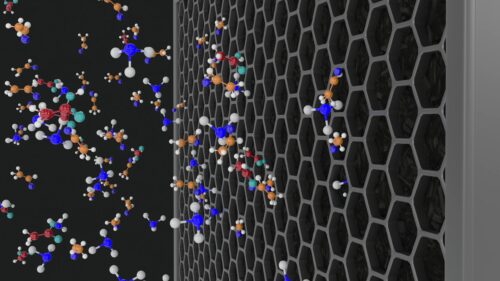
A media air cleaner is a whole-home filtration upgrade that integrates directly into your HVAC system to capture more airborne particles, improve airflow, and extend filter life. Unlike standard 1-inch filters, media air cleaners use deep-pleated filters and sealed cabinets to deliver cleaner air throughout your entire home with less maintenance.
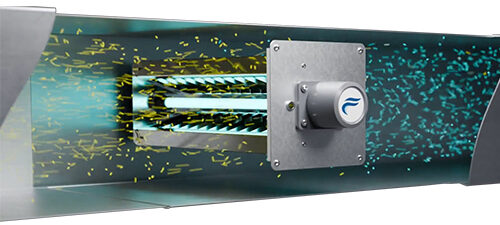
Indoor air can be up to five times more polluted than outdoor air, particularly in energy-efficient homes that are tightly sealed, allowing pollutants like germs, VOCs, and odors to accumulate over time and potentially cause health problems for residents. Learn how a whole house air purifier can help.
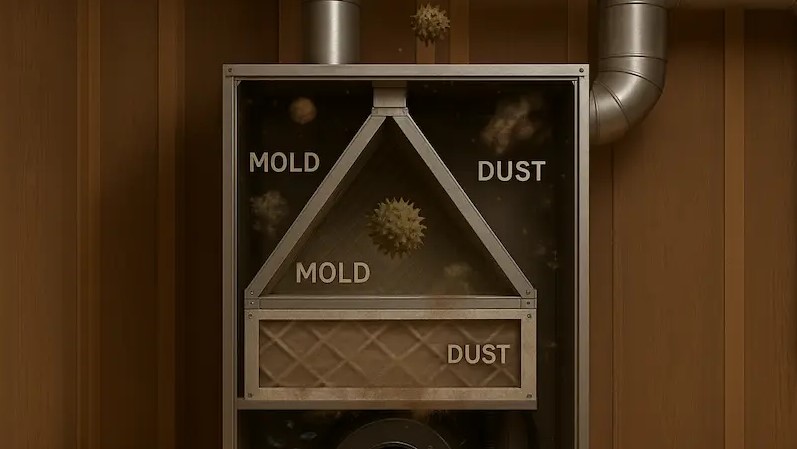
Your HVAC system may be circulating more than just air. Dust, mold, and bacteria can build up and impact your health. Discover how whole-home purification helps.
As temperatures drop, your furnace becomes the heart of your home. Before winter arrives, make sure it’s running efficiently and safely. From replacing filters to checking burners, these simple maintenance steps can lower energy costs, improve air quality, and keep your family comfortable all season.