

Why Modern Homes Need Whole Home Humidity Control
Homes have certainly evolved from cottages and wooden lodges filled with gaps and cracks. Modern houses are designed to be more comfortable and energy efficient than ever. Improved insulation, high-performance windows, tighter building envelopes, and efficient HVAC systems help prevent conditioned air from escaping and reduce the amount of energy required to heat and cool a home.
But a tighter home can create another challenge: managing indoor humidity.
Everyday activities such as showering, cooking, cleaning, and even breathing add moisture to the indoor environment. During other times of the year, heating systems can leave indoor air excessively dry. Because today’s homes exchange less air with the outdoors than older, draftier buildings, humidity problems can become more noticeable.
That’s why humidity control should be considered an important part of a complete indoor air quality strategy.
Rather than managing moisture one room at a time, whole-home humidity control works with the HVAC system to help maintain more consistent conditions throughout the house.
Why Does Indoor Humidity Matter?
Humidity describes the amount of moisture present in the air. When discussing indoor comfort, we typically measure relative humidity (RH), which represents the amount of moisture in the air relative to the maximum amount the air can hold at a particular temperature.
Indoor humidity levels can influence personal comfort, indoor air quality, mold and mildew growth, dust mite activity, and HVAC performance.
The challenge is finding the right balance. Too much moisture creates one set of problems. On the other hand, too little creates another.
What Is the Ideal Indoor Humidity Level?
For many homes, maintaining relative humidity somewhere around 30% to 50% provides a useful general target, although the ideal level can vary with outdoor temperature, climate, season, and the home’s construction.
During hot, humid weather, keeping moisture under control helps the home feel cooler and discourages conditions favorable to mold and mildew.
During cold weather, adding appropriate moisture can help prevent the air from becoming excessively dry.
Humidity control doesn’t really involve maintaining one exact percentage every day of the year. Instead, the focus is on keeping moisture within a comfortable, appropriate range as conditions change.
That can be difficult to accomplish with portable devices alone.
Modern Homes Can Trap Excess Moisture
Older homes often have plenty of unintentional ventilation. Air enters and escapes through gaps around windows, doors, walls, attics, and other parts of the building envelope.
Modern construction is different.
Better insulation, weather sealing, high-performance windows, and modern construction practices can dramatically reduce unwanted air leakage. That’s beneficial for energy efficiency, but it also means moisture generated inside the home may have fewer opportunities to escape.
Conder how much moisture everyday chores can produce:
- Taking showers and baths
- Boiling water and cooking
- Running a dishwasher
- Making coffee
- Washing clothes
- Drying laundry
- Mopping floors
When outdoor humidity is already high, air conditioning systems must manage both temperature and moisture. Under certain conditions, however, cooling alone may not provide enough dehumidification to maintain ideal indoor humidity.
The Problems Caused by Too Much Humidity
When discomfort levels rise, high humidity is probably the culprit.
You might notice that the house feels sticky, clammy, or warmer than the thermostat suggests. That’s because high humidity makes it harder for perspiration to evaporate from your skin, interfering with the body’s natural cooling process.
Excess moisture can also contribute to more significant household problems.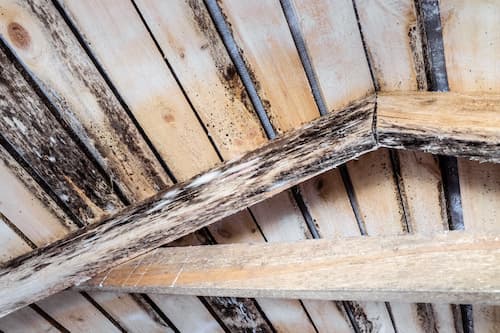
Mold and Mildew: Mold requires moisture to grow, so persistently damp conditions can create favorable environments on walls, ceilings, fabrics, etc., particularly in moisture-prone spaces like bathrooms, basements, and laundry rooms.
Dust Mites: Dust mites thrive in humid environments. Keeping indoor moisture under control can help make conditions less favorable for them.
Musty Odors: Persistent dampness can contribute to the stale or musty odors commonly associated with basements and humid rooms.
Condensation: Excess humidity can appear as condensation on windows, pipes, or other cool surfaces. Persistent condensation can potentially damage surrounding materials.
Damage to the Home: Over time, excessive moisture can affect wood, drywall, paint, furnishings, and other building materials, causing them to lose their structural integrity.
Controlling humidity is both about protecting your comfort and protecting the home itself.
Low Humidity Creates Problems Too
Humidity control works in both directions.
During winter, cold outdoor air contains relatively little moisture. Once that air enters the home and is heated, indoor relative humidity can drop significantly.
The result may be excessively dry indoor air. Signs can include dry skin, eyes, and/or throat, static electricity, increased respiratory discomfort, and shrinking or cracking wood.
Dry air can also make a home feel cooler than it actually is, potentially tempting occupants to increase the thermostat setting to compensate. Adding controlled humidity during dry conditions can make the indoor environment feel more comfortable without simply turning up the heat.
Why Portable Humidifiers and Dehumidifiers Aren’t Always Enough
Portable humidity-control equipment can be useful for specific rooms or localized problems. A small humidifier might improve conditions in a bedroom, for example, while a portable dehumidifier may help manage moisture in a damp basement.
The limitation is right in the name: portable units treat individual spaces.
Humidity isn’t necessarily confined to one room. Moisture can move throughout a house, and conditions may vary significantly between floors and living areas.
Portable equipment can also require more homeowner involvement, including:
- Filling water reservoirs
- Emptying dehumidifier tanks
- Cleaning equipment regularly
- Moving units between rooms
- Monitoring individual humidity levels
For homeowners who want more consistent control throughout the conditioned living space, a whole-home solution provides a different approach.
How Whole-Home Humidity Control Works
Whole-home humidity-control equipment integrates with the home’s 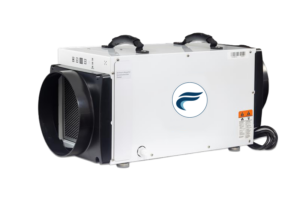 HVAC system rather than operating as a standalone appliance in one room.
A whole-home humidifier adds controlled moisture to the air when indoor conditions become too dry.
A whole-home dehumidifier removes excess moisture when humidity becomes too high.
Because these systems work with central heating and cooling equipment and ductwork, conditioned air can be distributed throughout multiple rooms.
Automatic controls can monitor humidity and activate equipment when needed, reducing the need for constant manual adjustments.
Instead of responding after a room becomes noticeably damp or dry, whole-home equipment helps maintain more consistent humidity as conditions change.
Humidity Control Can Improve HVAC Comfort
Temperature and humidity work together to determine how comfortable a room feels.
During summer, removing excess moisture can make indoor air feel more comfortable without relying exclusively on lower thermostat settings.
That’s important because an oversized or short-cycling air conditioner may cool a home quickly without operating long enough to remove sufficient moisture. The thermostat may indicate that the desired temperature has been reached even though the home still feels humid.
Dedicated dehumidification separates moisture management from temperature control. In winter, controlled humidification can help heated indoor air feel more comfortable when conditions become excessively dry.
The result is a more complete approach to comfort: manage both temperature and moisture rather than temperatures alone.
Protecting Your Home with Better Humidity Management
Whole-home humidity control can also help protect the materials and belongings inside the house.
Wood naturally responds to changes in moisture. Excessively dry conditions can cause wood to shrink, while excessive humidity can cause it to absorb moisture and expand.
Significant or repeated humidity fluctuations may affect hardwood floors, musical instruments, and wooden cabinets, doors, and trim. Maintaining more stable indoor conditions can help minimize extreme moisture-related expansion and contraction.
For today’s homes, humidity management is a staple of protecting the investment you’ve made in your home.
Make Humidity Part of Your Indoor Air Quality Strategy
A comprehensive indoor air quality strategy considers several different aspects of the indoor environment, including:
- Filtration to capture airborne particles, such as dust, pollen, and pet dander.
- Air purification to address additional airborne contaminants.
- Ventilation to manage the exchange of indoor and outdoor air.
- Humidity control to keep moisture from becoming excessively high or low.
Each addresses a different piece of the indoor air quality puzzle.
Field Controls offers indoor air quality solutions designed to work with residential HVAC systems, helping homeowners and HVAC professionals take a whole-home approach rather than treating individual symptoms room by room.
Give Your Home Control in Every Season
The conditions outside your home change constantly. Your indoor environment needs to respond.
Summer can introduce heat and excessive moisture. Winter heating can leave indoor air uncomfortably dry. Spring and fall bring their own swings in temperature and humidity.
Modern construction helps isolate the home from those outdoor conditions, improving efficiency and comfort. But tighter construction also makes it increasingly important to actively manage what’s happening inside the building envelope.
Whole-home humidity control provides a way to do exactly that.
By adding or removing moisture as conditions require, homeowners can maintain more consistent comfort, support better indoor air quality, protect their home and belongings, and get more from their HVAC system.
With the right Field Controls whole-home humidity solution, your HVAC system can not only control temperature but help create a balanced indoor environment designed for year-round comfort.